
What Is a Rear-End Collision?
A rear-end collision is a traffic crash in which one vehicle strikes the back of another vehicle. The impact may occur while the front vehicle is stopped, slowing, or moving. These crashes often involve questions about driver attention, following distance, road conditions, vehicle damage, and whether the impact caused reported injuries.
Quick Facts About Rear-End Collision
Category
Motor vehicle crash
Used for
Describing rear-impact crashes
Common confusion
Rear damage does not automatically establish fault
Also called
Rear-End Accident, Rear Impact Collision
Often discussed with
Car Accident Lawyer
Key Takeaways About Rear-End Collision
- The impact involves the rear of one vehicle.
- Fault depends on the crash circumstances, not impact direction alone.
- Rear damage does not prove every injury came from the crash.
How Rear-End Collision Works
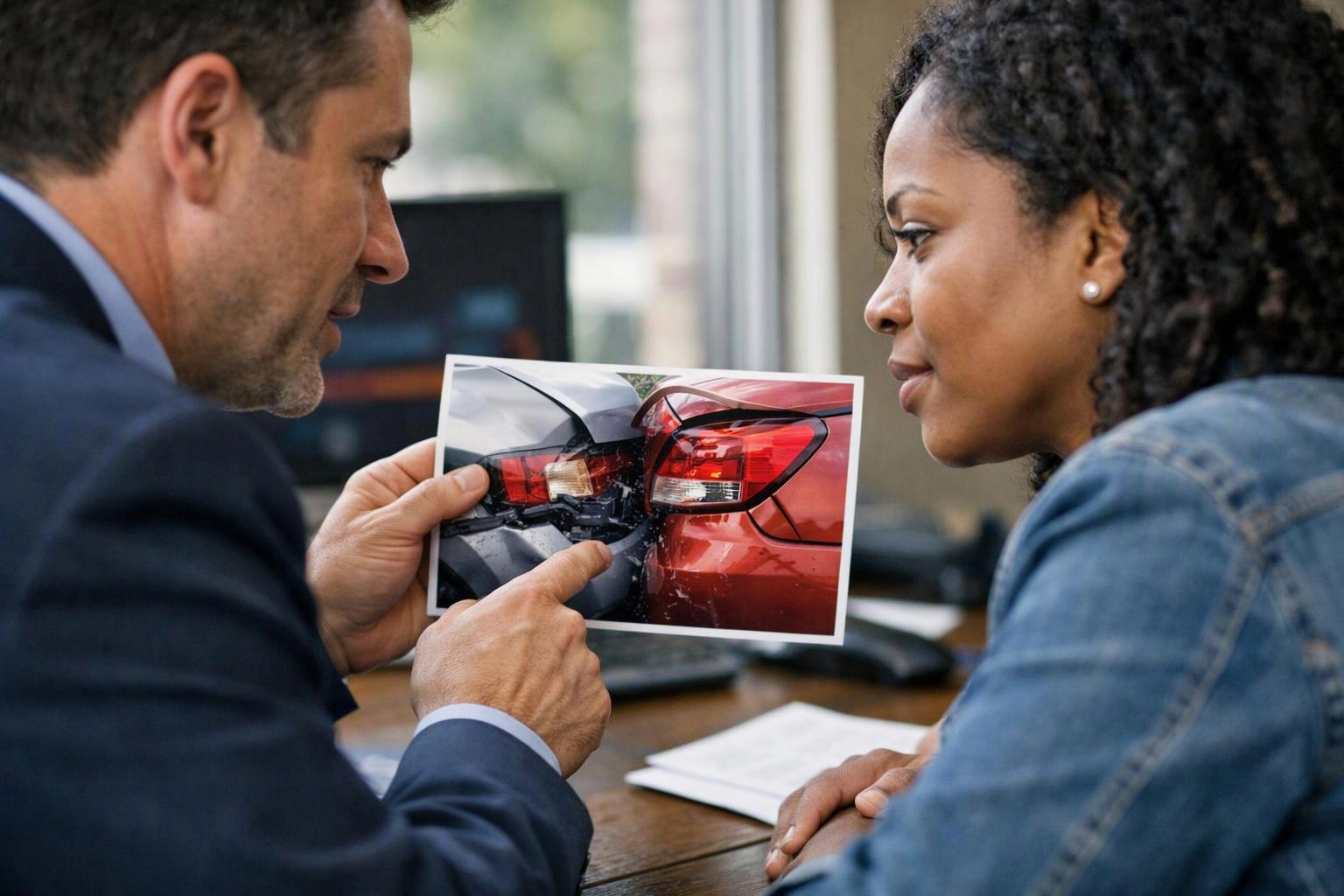
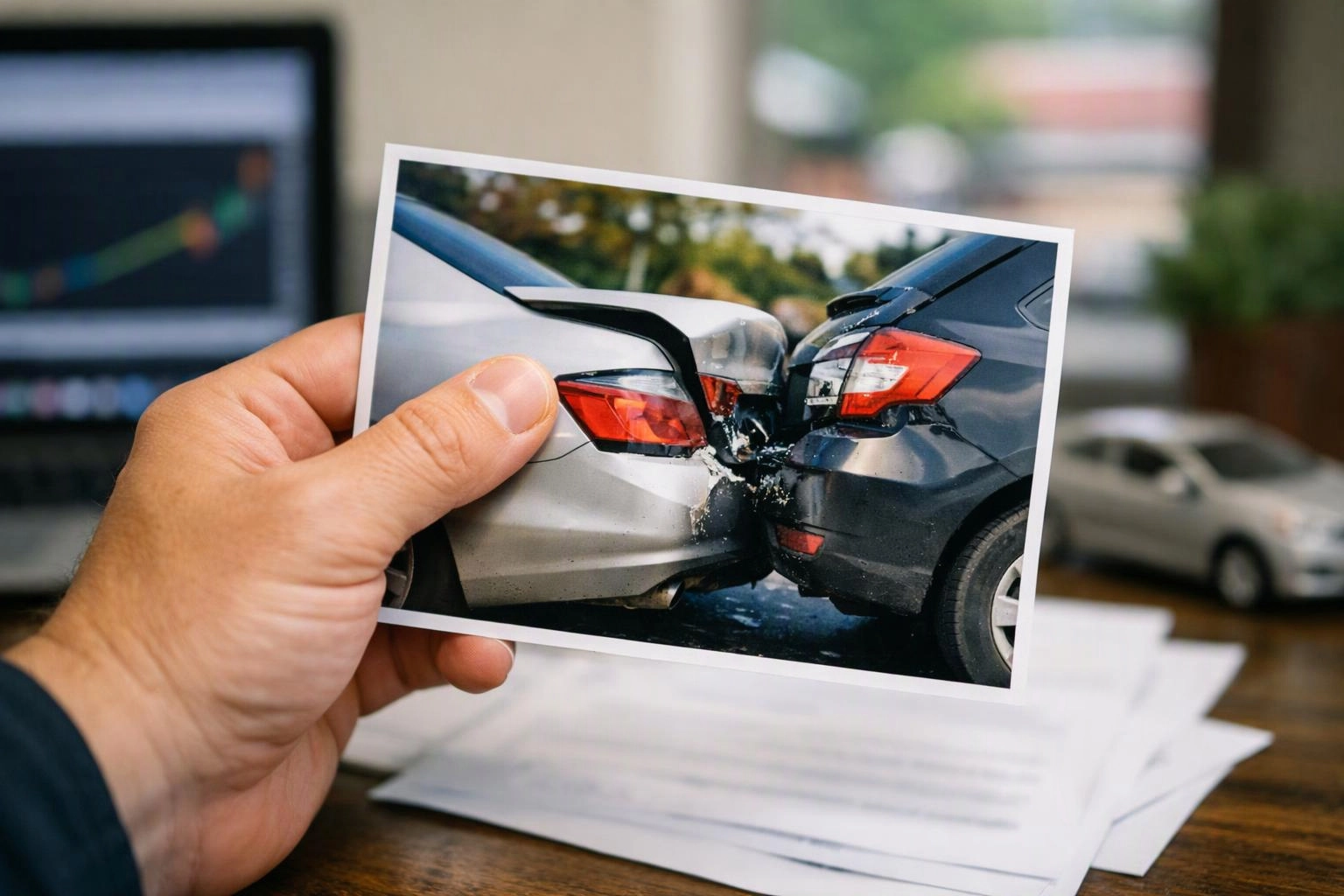
A rear-end collision analysis examines how the vehicles moved before contact and what happened at impact. Investigators may review vehicle positions, damage patterns, photographs, witness accounts, traffic signals, and available video. These details help connect the physical evidence to the drivers' actions.
Related glossary terms: Accident Reconstruction, Causation, Negligence.
The front vehicle may have stopped suddenly, slowed for traffic, or remained stationary. The rear driver may have failed to notice changing traffic or maintained too little space. A witness statement can clarify timing, while accident reconstruction may address disputed movement or impact force. The crash description alone does not resolve every question about fault or injury causation.
From the Atlanta Auto Law team
When we review a rear-end collision, we examine the vehicle damage, scene evidence, medical records, and statements from people who saw the crash. We also check whether the available evidence connects the impact to the claimed injuries and losses. That review helps us address disputed fault and causation.
Rear-End Collision in Practice: A Real-World Example
A driver waits in traffic near East Point while another vehicle strikes the rear of the stopped car. The claim may require photographs, witness information, treatment records, and other evidence that explains how the crash affected the occupants.
Related Services
Related Terms
Accident Reconstruction
Accident Reconstruction is the analysis of a crash using physical evidence, vehicle damage, roadway conditions, witness…
Causation
Causation is the connection between a healthcare provider’s conduct and a patient’s injury or loss. In…
Negligence
Negligence is a failure to use reasonable care under the circumstances, causing harm to another person…
Medical Records
Medical Records are written or electronic materials that document a person’s healthcare, including symptoms, examinations, diagnoses…
Atlanta Auto Law
Have Questions About Rear-End Collision?
Contact Atlanta Auto Law for practical guidance on Rear-End Collision and related personal injury attorney work in East Point.