
What Is Negligence?
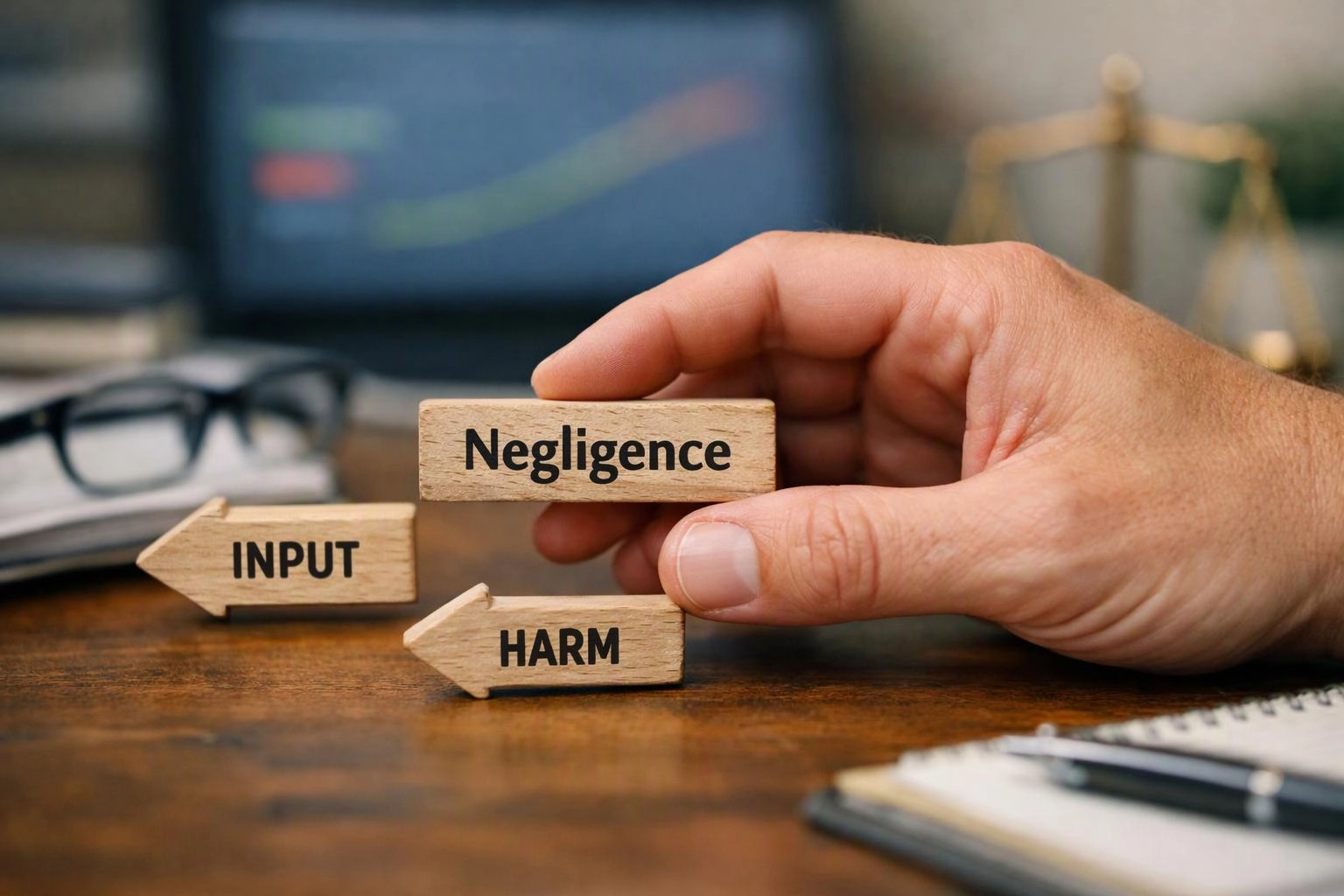
Negligence is a failure to use reasonable care under the circumstances, causing harm to another person. In a personal injury claim, the injured person connects the property owner’s conduct to the accident and resulting losses. The analysis considers the duty owed, the conduct that fell below that duty, causation, and damages.
Quick Facts About Negligence
Category
Personal injury legal concept
Used for
Assessing liability after an injury
Common confusion
An accident does not automatically prove negligence
Also called
Negligent Conduct, carelessness
Often discussed with
Slip and Fall Lawyer
Key Takeaways About Negligence
- Negligence focuses on unreasonable conduct, not merely an unfortunate accident.
- Evidence must connect the property condition to the injury.
- Negligence is not the same as intentional harm.
How Negligence Works

Negligence is assessed by examining what a reasonable property owner would have done in similar circumstances. A slip and fall claim may focus on a dangerous condition, the owner’s awareness of that condition, and the conduct that followed. The analysis also connects the condition to the fall and the fall to the claimed injuries.
Related glossary terms: Duty of Care, Causation, Comparative Negligence.
Evidence can include photographs, incident reports, inspection records, maintenance information, witness statements, and medical records. The facts may show whether the condition existed long enough to be found, whether a warning was present, or whether another event caused the fall. Georgia’s comparative negligence rules can also affect recovery when the injured person’s conduct contributed to the harm.
From the Atlanta Auto Law team
When we review negligence in a slip and fall matter, we organize evidence around the property condition, notice, the fall, and the claimed injuries. We also examine witness accounts and records for conflicts. That process helps separate a supported liability theory from an accident without proof of careless conduct.
Negligence in Practice: A Real-World Example
A store employee notices liquid near an entrance but does not clean it or warn shoppers. A customer slips on the liquid and suffers an injury, so the claim examines the store’s notice, response, and connection to the fall.
Related Services
Related Terms
Duty of Care
Duty of Care is a legal responsibility to act with reasonable caution toward people who could…
Causation
Causation is the connection between a healthcare provider’s conduct and a patient’s injury or loss. In…
Comparative Negligence
Comparative Negligence is a legal rule that assigns each party a share of responsibility for an…
Gross Negligence
Gross Negligence is conduct showing a serious disregard for the safety of others, beyond ordinary carelessness…
Atlanta Auto Law
Have Questions About Negligence?
Contact Atlanta Auto Law for practical guidance on Negligence and related personal injury attorney work in East Point.