How can I prove what happened during a rideshare collision?
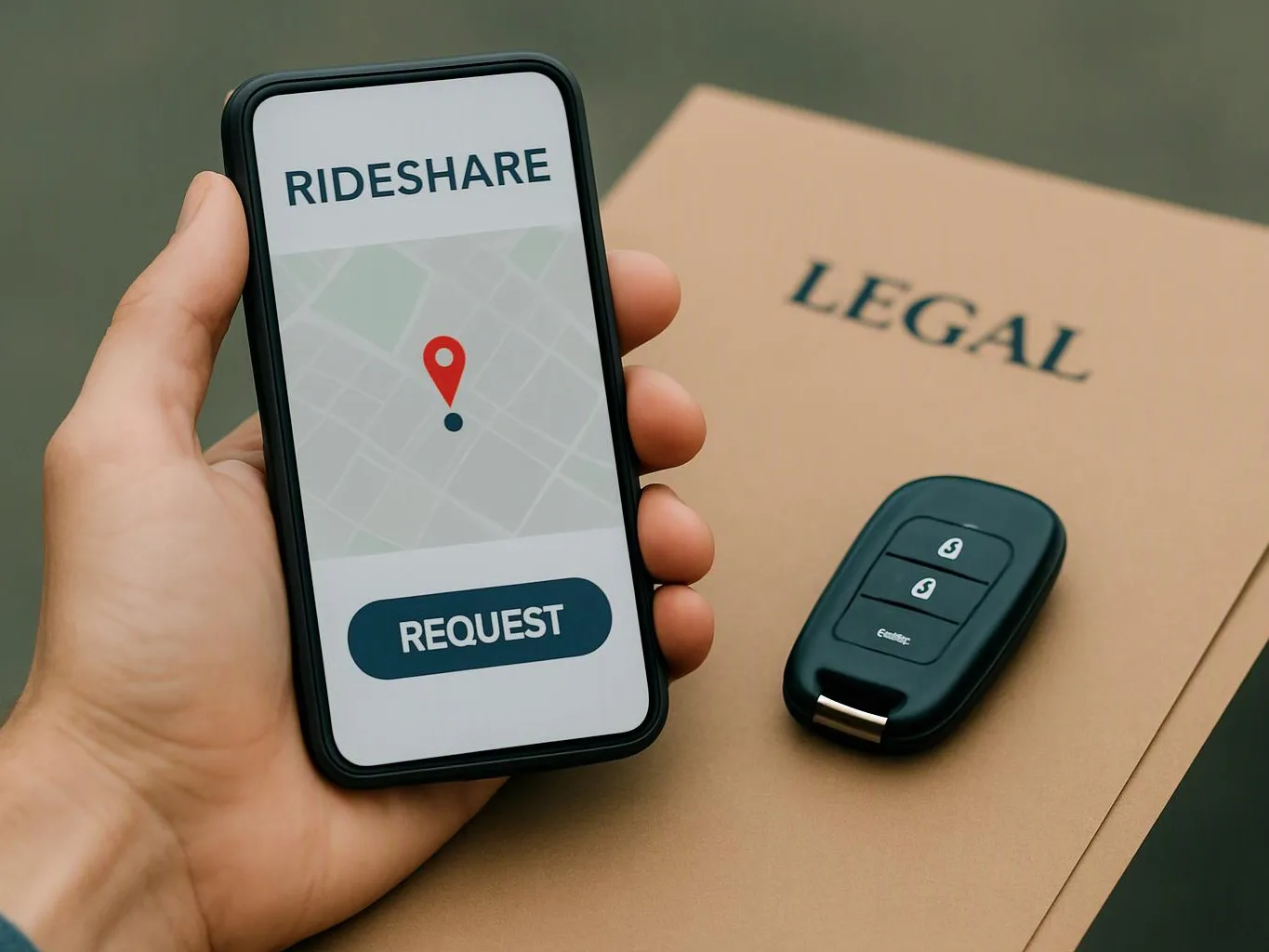
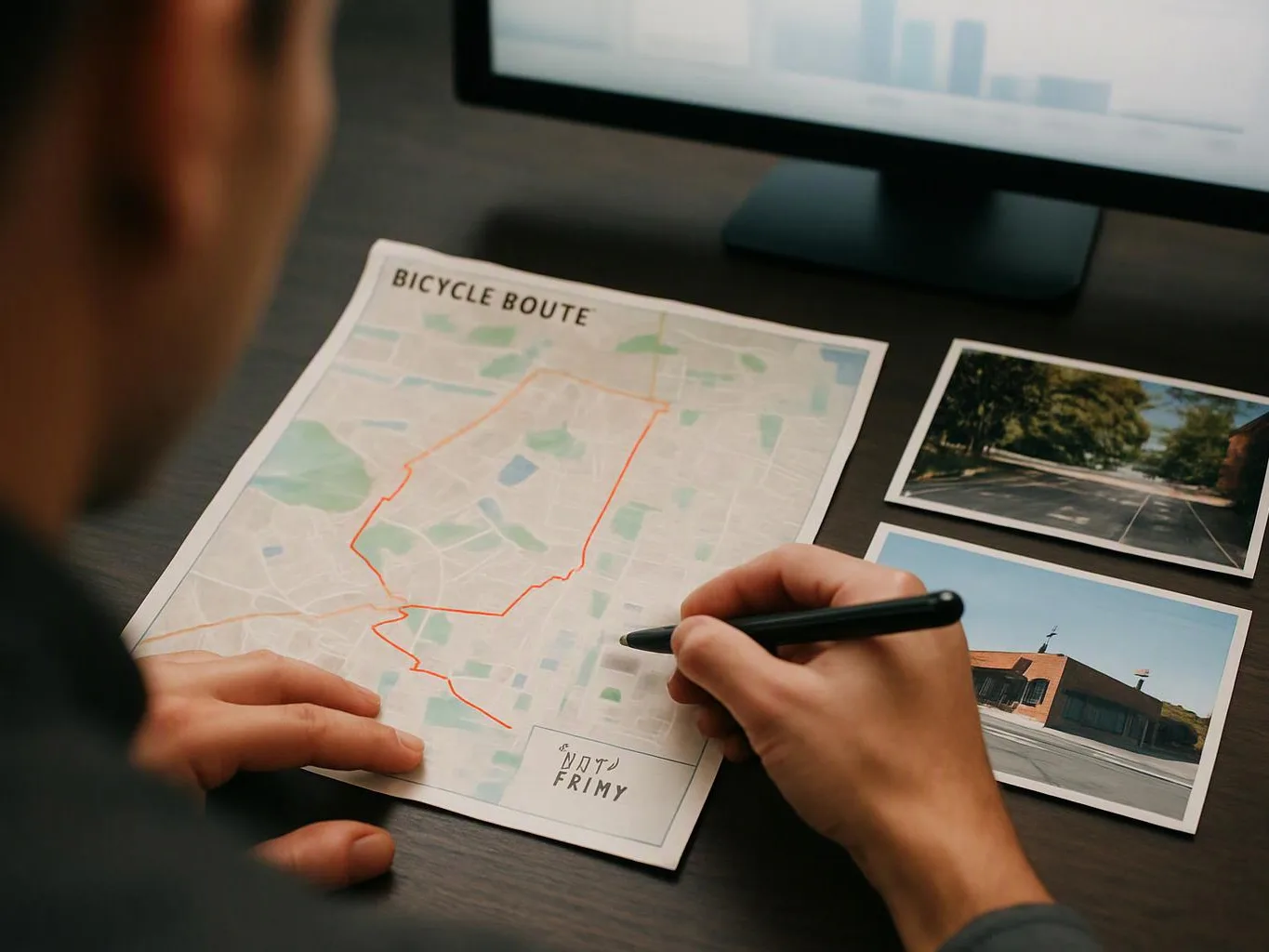
App receipts can help prove the trip details, and Atlanta Auto Law compares them with other evidence. Useful records include trip records, driver messages, vehicle footage, witness statements, police reports, and medical records. Keep original files and avoid deleting messages or editing videos. The full record helps connect the ride, collision, injuries, and financial losses.
What records should I bring to the first consultation?
Police reports, medical records, insurance information, photos, and wage-loss documents give the first review a stronger factual base. Bring any trip records, messages, videos, and witness details you have. Missing records do not end the discussion, because we can identify which evidence needs follow-up during the claim review.
Which evidence can change how a rideshare claim is valued?
Medical records, wage-loss proof, property damage, and evidence of fault can change the claim analysis. The trip status also matters because it helps explain the driver's role during the collision. We compare these records with the injury history and insurance position before discussing settlement value.
When should I speak with a lawyer after a rideshare crash?
A consultation makes sense when the collision causes injury, lost income, vehicle damage, medical treatment, or an insurance dispute. Early review helps preserve messages, videos, photos, and witness details while the facts remain available. In Stockbridge, Georgia, Atlanta Auto Law discusses these records during a free consultation.
Why do driver messages matter in a collision claim?
Driver messages can reveal trip details, statements about the collision, or facts that clarify the driver's conduct. We compare the messages with police records, footage, photos, and witness accounts. Preserve the full conversation with its dates and surrounding context, because a single message may not show the complete exchange.
How does a rideshare claim move from the first call to the last step?
The claim moves from intake and evidence review to liability analysis, loss documentation, insurance negotiation, and possible litigation. We first learn what happened and collect available records. Then we explain the next step, which may include a demand letter, mediation, discovery, settlement, or a personal injury lawsuit.
Can a personal injury attorney handle lost wages and vehicle damage too?
A personal injury attorney can include documented lost wages and vehicle damage in the claim review when they arise from the collision. Medical expenses and pain and suffering also require supporting records. We organize the losses, communicate with insurers, and explain which damages the available evidence supports.