What should passengers do after a rideshare crash?
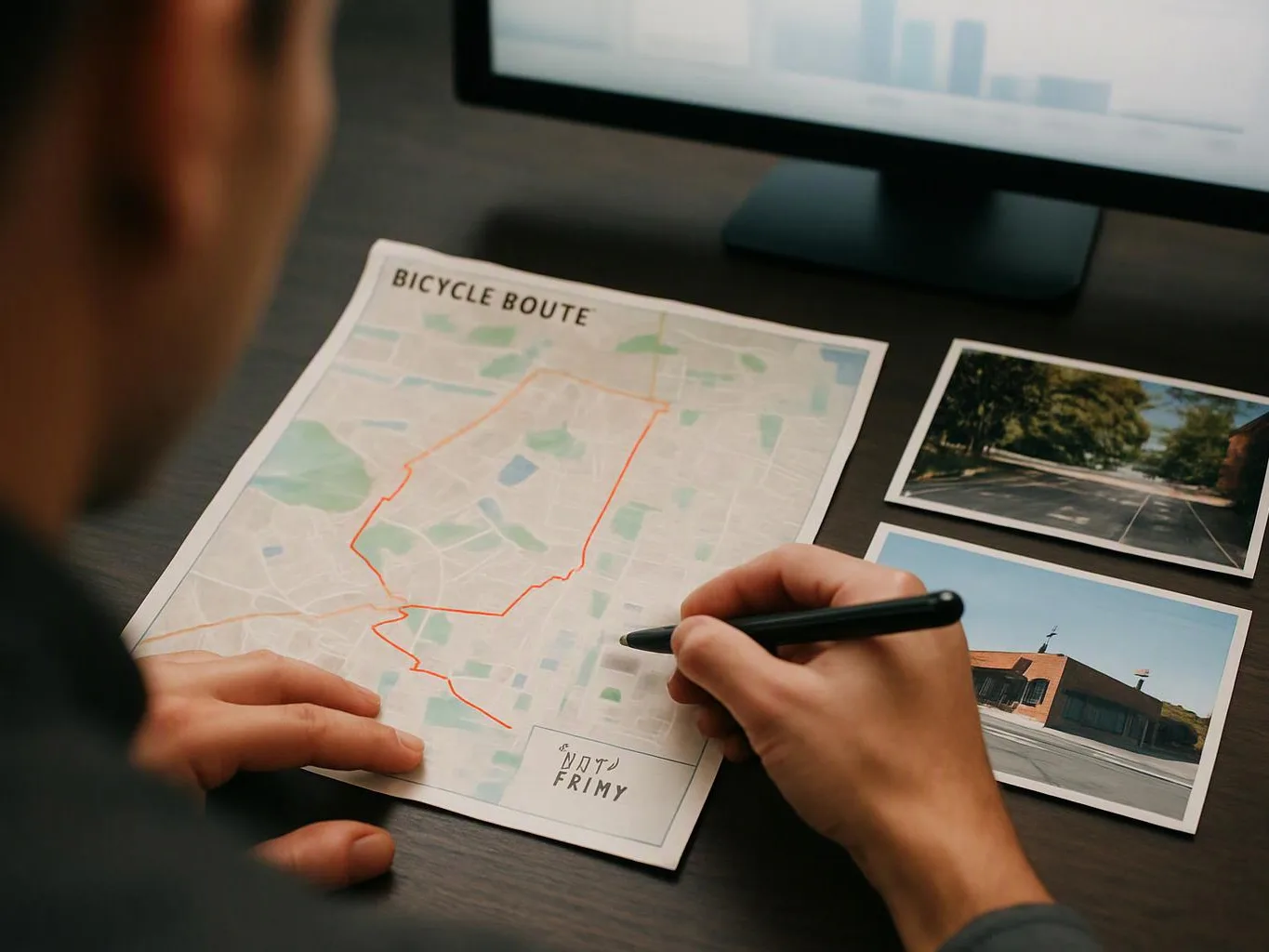
Trip details should be saved, medical care should be sought, and the crash should be reported. Keep the ride receipt, route, driver information, accident report, photographs, and insurer messages. Those records connect the passenger to the ride and help explain the injury claim. Atlanta Auto Law reviews this material during the first case discussion.
Who provides rideshare injury representation for passengers?
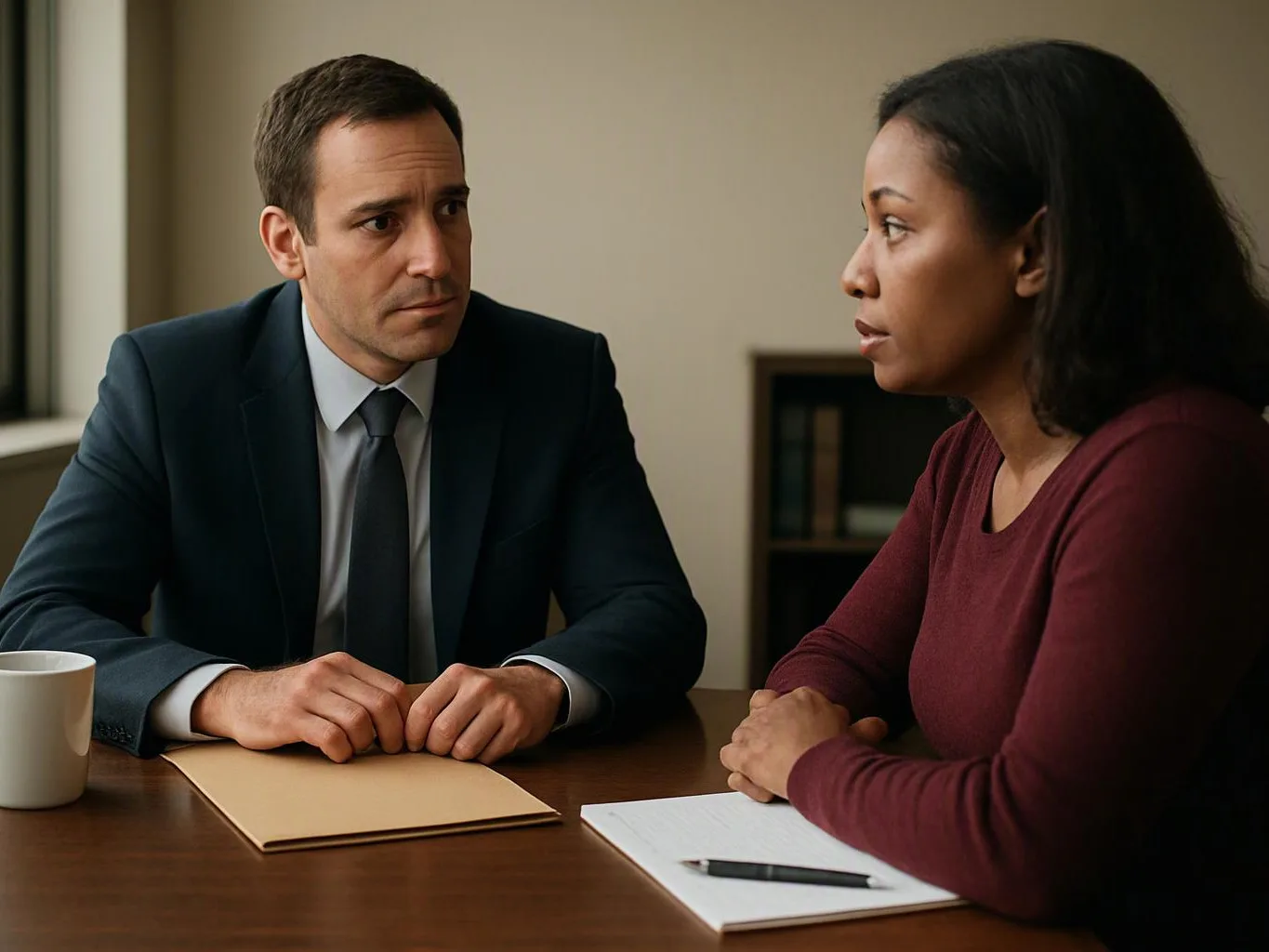
Atlanta Auto Law provides rideshare injury representation for passengers throughout Georgia. We review the ride record, crash evidence, medical records, and insurance notices. Our team also evaluates lost income, property damage, and pain and suffering before discussing settlement or litigation.
What happens at each stage of a passenger injury claim?
The claim moves from intake to evidence review, injury documentation, insurance communication, negotiation, and possible litigation. We start with the trip record and accident report. Customers then help gather medical and wage records. The case may proceed to a demand letter, mediation, or trial when the evidence supports that path.
What does the legal team look at first after a rideshare collision?
The first review focuses on the trip record, accident report, injury symptoms, and medical care. We also check whether an insurer has requested a statement or documents. These details help show the ride, the collision, and the claimed losses before we discuss a settlement strategy.
Which documents should I bring to the first consultation?
The first consultation benefits from the ride receipt, accident report, medical records, photographs, and insurance messages. Wage records and property damage information can also help. We use these documents to identify missing evidence and frame the passenger's injury claim.
When is a rideshare claim ready for insurance negotiation?
A rideshare claim is ready for negotiation when liability, injury treatment, and documented losses have enough support for a demand. We check the crash account against medical records, photographs, wage information, and insurer communications. Missing records can change the best next step.
Why should I avoid giving an insurer a rushed statement?
A rushed statement can leave out medical symptoms or details about the ride. Customers should preserve accurate facts and review the insurer's request before responding. We examine the request and the available records, then help keep the claim account tied to documented evidence.