How can investigators identify a driver who fled?
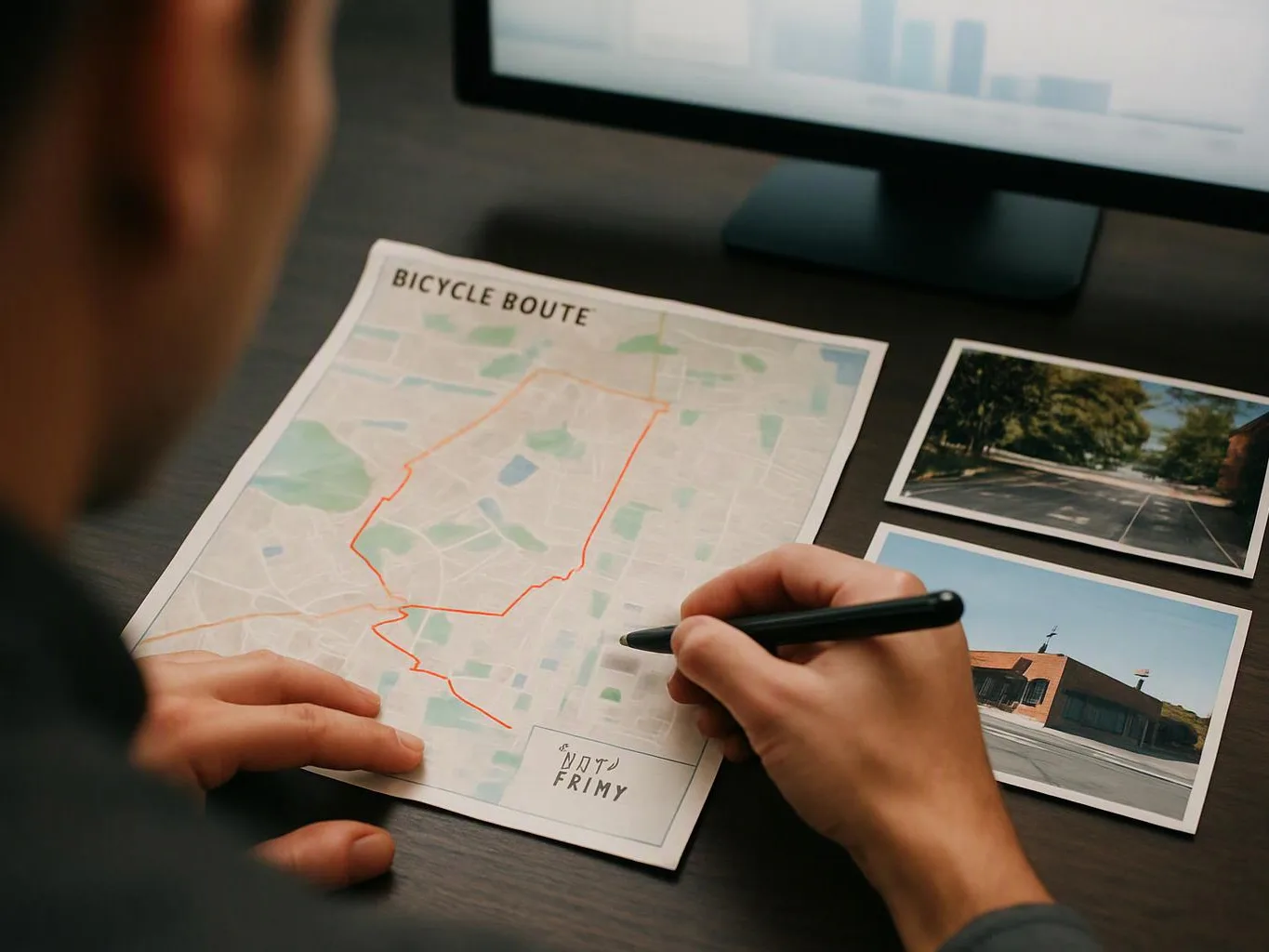
Atlanta Auto Law uses surveillance footage to examine vehicle features, movement, and possible license details. The review also considers debris, paint transfer, witness accounts, police records, and traffic camera material. Each clue is compared with the crash account and available records. That process helps determine whether the evidence supports identifying the driver or building the injury claim another way.
What should be checked before this legal work is scheduled?
The initial review should check the crash report, medical records, insurance information, vehicle damage, and available witness details. These records show what happened and how the injury claim developed. Our intake also identifies property damage, lost wages, and insurer requests. Clients can bring any documents, photographs, messages, or claim letters already in their possession.
What happens at each stage of a hit-and-run claim?
A hit-and-run claim moves through intake, evidence review, injury documentation, insurance communication, negotiation, and possible litigation. Each stage has a separate purpose. We first organize the facts, then assess liability and damages. Settlement work follows when the claim is ready, while a lawsuit remains an option when appropriate.
Which records matter most after a fleeing-driver crash?
Police reports, medical records, insurance documents, photographs, witness details, and vehicle damage records matter most. Each record answers a different claim question. Police information addresses the event, medical records address injury, and insurance documents address coverage. Our team organizes the documents and identifies gaps that need attention.
When should an injury claim include lost wages?
Lost wages belong in the claim when the collision-related injury affects work or earnings. Pay records, employer information, and medical records help connect the loss to the accident. We review that connection with medical expenses, property damage, and pain and suffering. The claim should reflect the documented effect on the client’s work life.
Why does physical evidence matter when the driver is unknown?
Physical evidence can connect a vehicle to the collision when the driver’s identity is unclear. Debris, paint transfer, damage patterns, and photographs can support the crash account. Our team compares those details with reports, witnesses, and available records. The evidence review helps define the strongest legal path for the claim.