What should I do after a hit-and-run accident?
The police report should be created first after safety and medical needs are addressed. Preserve scene photos, witness details, vehicle information, medical records, and insurer messages. Atlanta Auto Law reviews these materials to assess the claim. Avoid guessing about facts you cannot recall, and keep later updates from doctors and insurers.
How can I tell whether a hit-and-run lawyer fits my situation?
A hit-and-run lawyer fits when a driver leaves and the crash causes injury, vehicle damage, or another legal loss. The claim still needs facts that connect the collision to the loss. Our team reviews the records, injury treatment, insurance position, and available witness or vehicle evidence before explaining the legal options.
Which part of the crash decides the legal work needed?
The injury and evidence record usually decide the work needed. Medical treatment, vehicle damage, witness accounts, photos, and insurance issues shape the claim review. A case with disputed facts may require more investigation than a claim with clear records. We identify those differences during the consultation.
What documents should I bring to the first consultation?
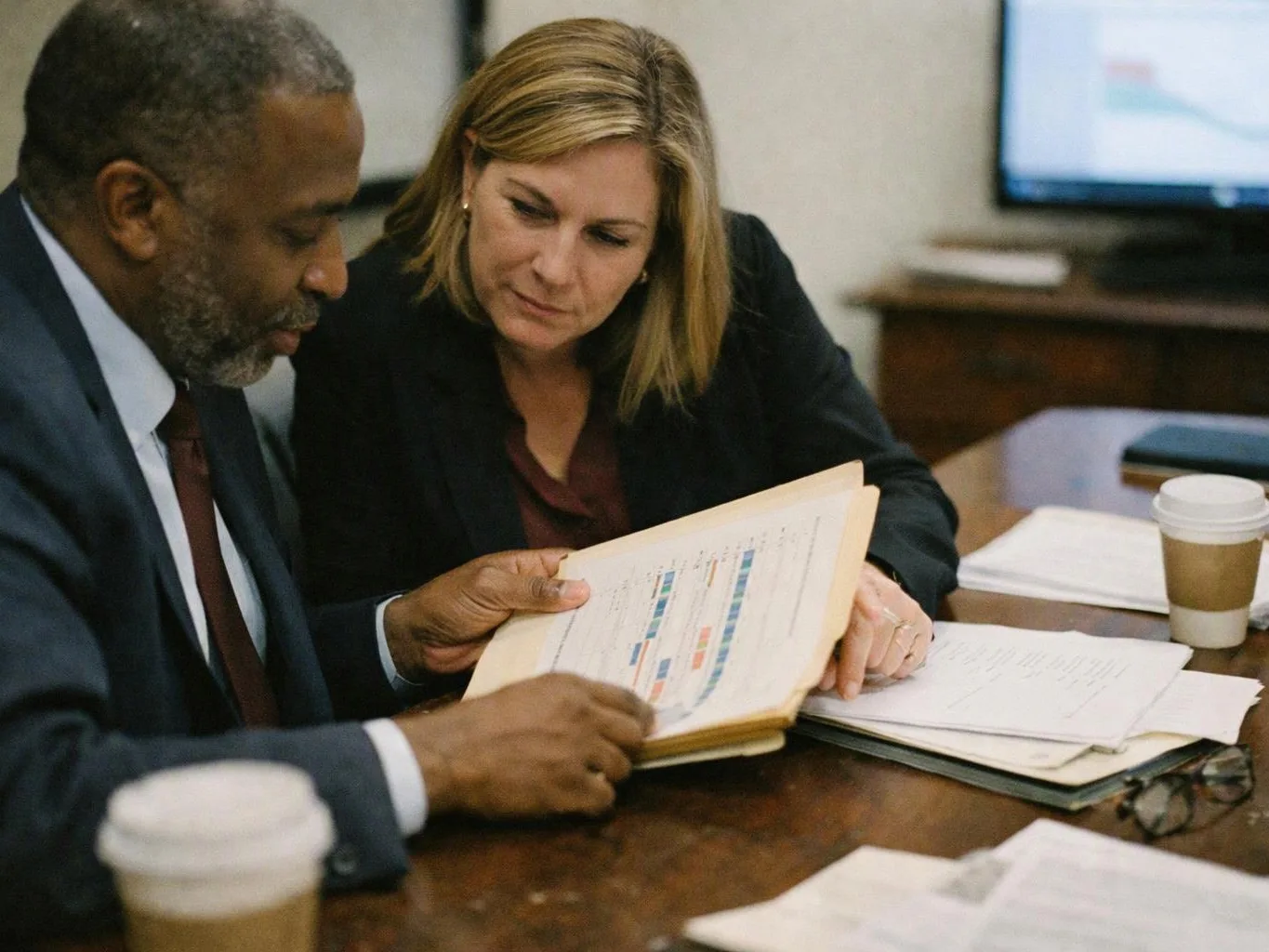
The first consultation benefits from the police report, medical records, insurance information, photos, and wage documents. Bring repair records and messages from the insurer when available. Our team uses these materials to check the crash facts, claimed losses, and communication history. You can still request a consultation if some records are missing.
When should I seek legal help after the driver flees?
Legal help makes sense after urgent medical needs are addressed and the crash records are preserved. Early review helps protect witness details, photos, medical links, and insurance communications. Atlanta Auto Law can assess the matter through a free consultation and explain whether a claim or lawsuit fits the facts.
Why do witness accounts matter in a hit-and-run case?
Witness accounts may confirm how the crash happened and what the fleeing vehicle looked like. Names, contact details, location, and direct observations are useful. A witness should report only what was seen or heard. We compare those accounts with photos, the police report, vehicle damage, and medical records.
How does a personal injury claim cover medical bills and lost wages?
Medical bills and lost wages become claim items when records connect them to the collision. Treatment notes, bills, employer records, and wage information help show the financial loss. We also review property damage and pain. The available recovery depends on the evidence, liability, insurance issues, and case facts.