How do I handle an insurance company after a car accident?
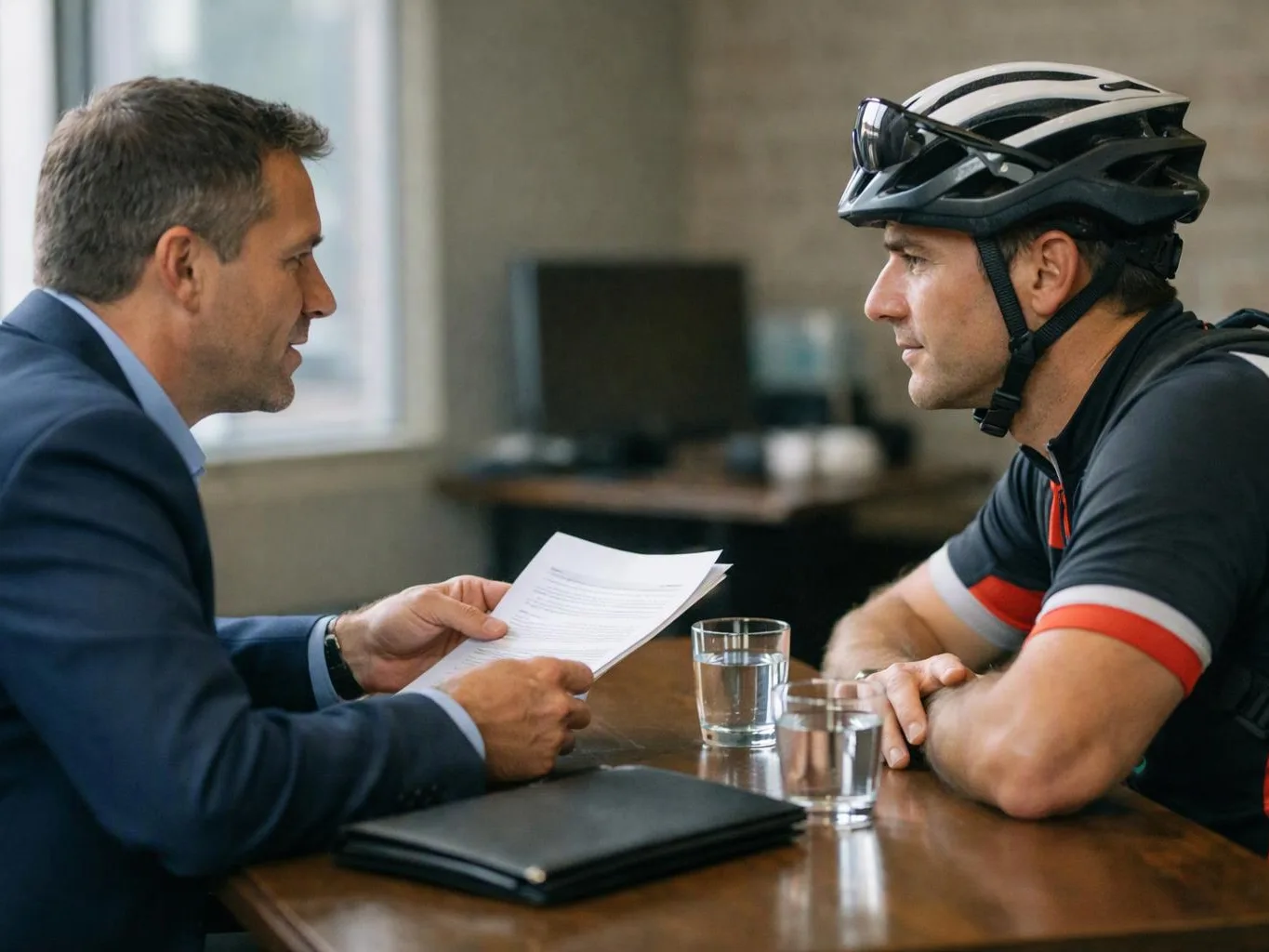
Coverage limits should be reviewed before you accept an insurer's position or give a detailed recorded statement. Atlanta Auto Law examines the policy, police report, medical records, wage loss, property damage, and insurer communications. We then explain whether negotiation, a demand letter, mediation, or litigation fits the claim.
What documents should I bring to the first legal meeting?
Police reports, medical records, photographs, insurance details, and insurer messages give the first meeting a useful record. Bring wage documents and vehicle repair information when those losses are part of the claim. Missing records do not prevent an initial review, but complete files help us assess liability and damages.
Which part of the policy decides the scope of a claim?
Policy limits and coverage language help define the insurer's obligations, but the documented loss also shapes the claim. We review liability coverage, available policy terms, medical expenses, wage loss, property damage, and pain and suffering. The policy does not by itself prove fault or establish the full value of an injury claim.
When should I challenge a settlement offer?
A settlement offer deserves review when it does not account for supported medical care, lost income, property damage, or ongoing effects. We compare the offer with the claim evidence and policy position. Signing a release can affect further recovery, so the document should be understood before acceptance.
Why might an insurer deny a car accident claim?
An insurer may deny a claim because it disputes fault, coverage, causation, or the evidence of loss. The denial letter states the insurer's stated reason and helps guide the response. We review that letter with the police report, medical records, photographs, and prior communications before choosing the next step.
How does a car accident case move from the first call to the last step?
The case moves from intake to evidence review, insurer communication, settlement negotiation, and litigation when needed. We first collect the accident and claim records, then assess liability, injuries, coverage, and losses. Mediation, discovery, or trial may follow if negotiation does not resolve the dispute.
Which records help protect evidence after a collision?
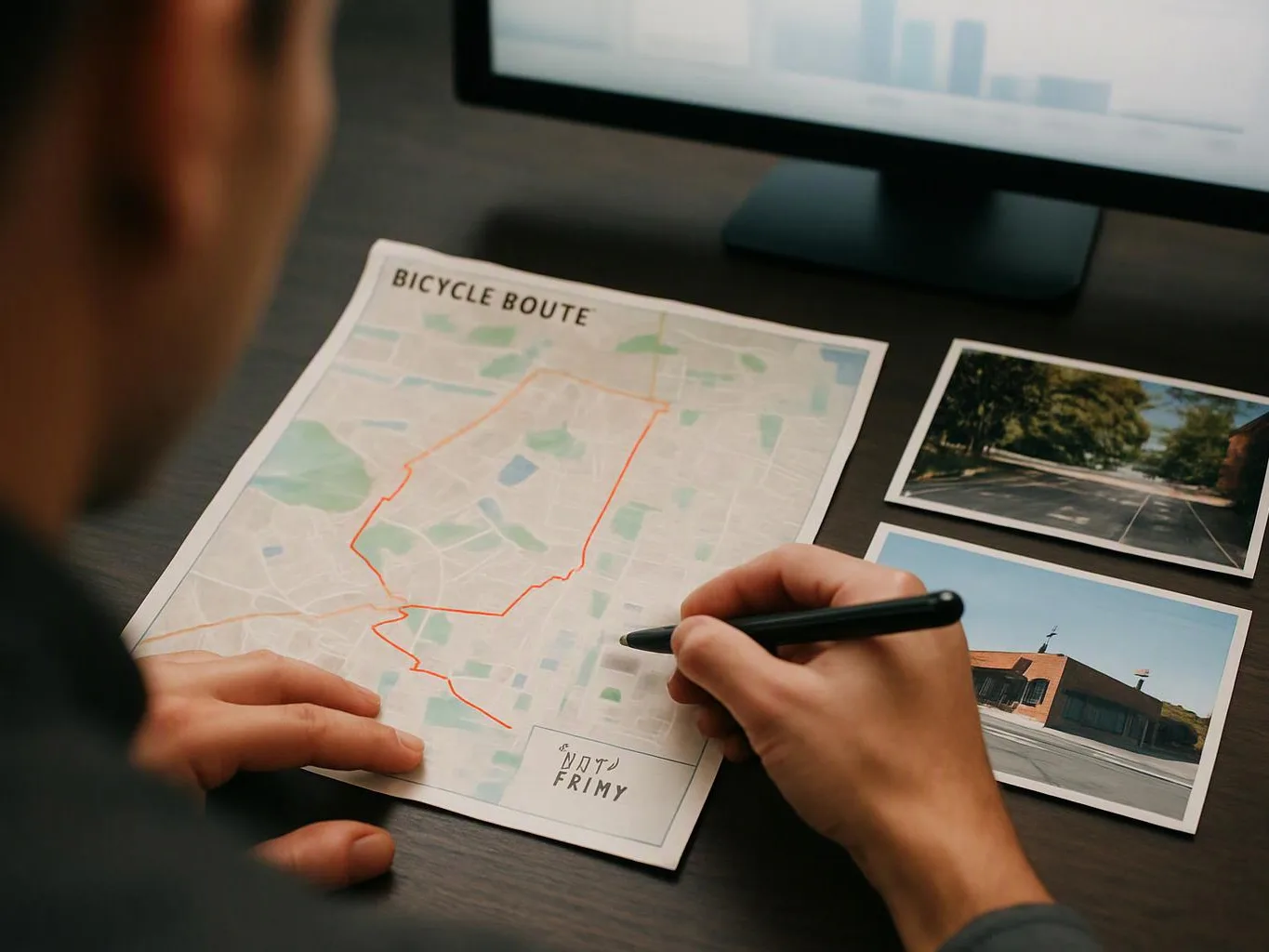
Photographs, police reports, medical records, vehicle repair records, wage documents, and insurer messages help preserve the claim's evidence. Save original files and keep a record of communications. We organize the available materials so the claim can address fault, injury, treatment, property damage, and financial loss.