How does uneven pavement affect a bicycle accident claim?
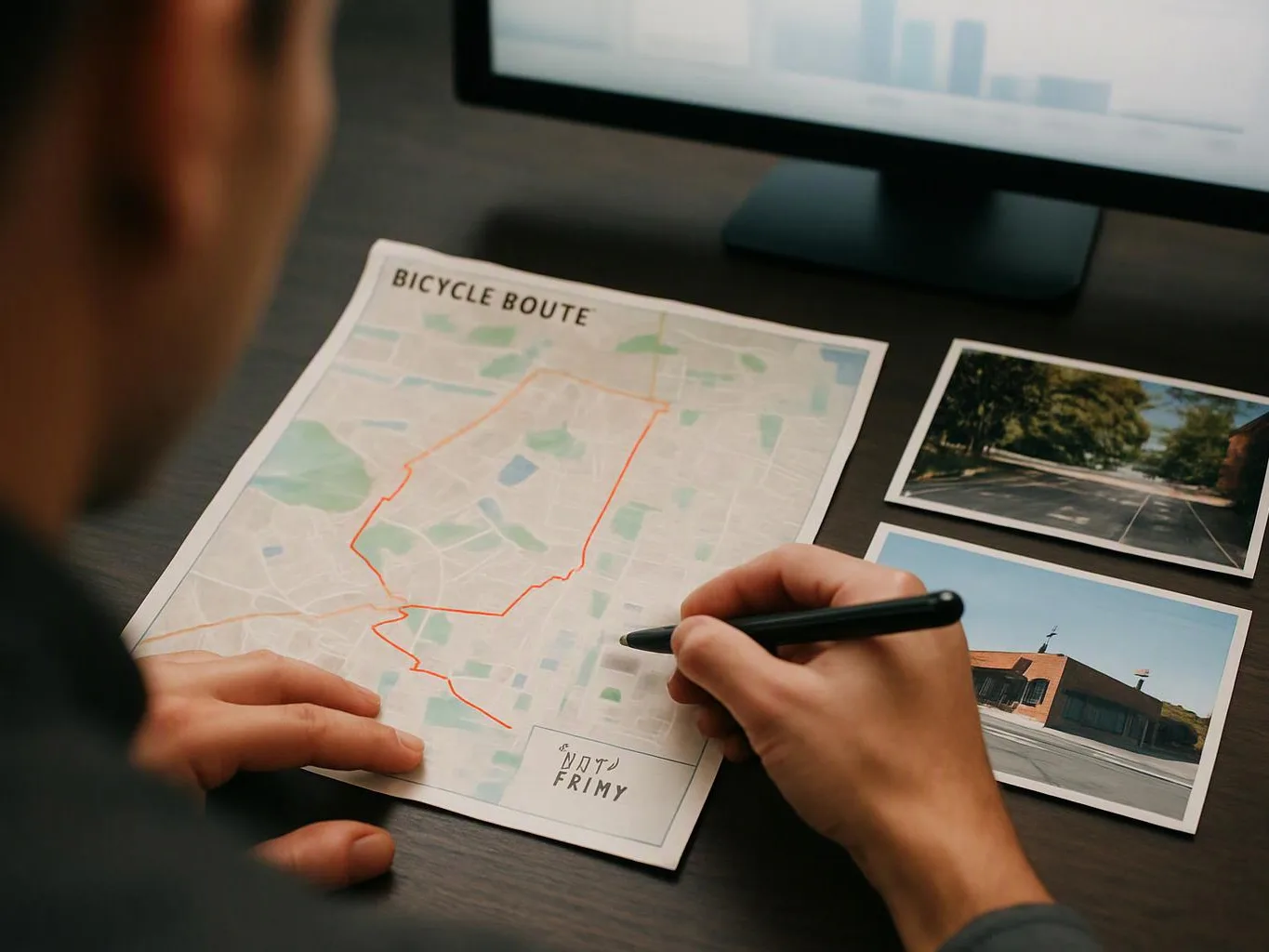
Uneven pavement can support a claim when evidence links the hazard to a responsible party and the cyclist’s injury. We review who controlled the area, whether that party knew or should have known about the condition, and what maintenance records show. Photographs, witness accounts, police records, and medical documents can help establish the event and resulting losses.
What does Atlanta Auto Law review first after a bicycle crash?
Atlanta Auto Law reviews the crash location, injury records, and available proof of fault first. Our team then checks police reports, photographs, witness information, insurance documents, and bicycle damage. The early review helps identify missing evidence and shows whether the claim involves a driver, road owner, property owner, or another responsible party.
Which documents should I bring to a first consultation?
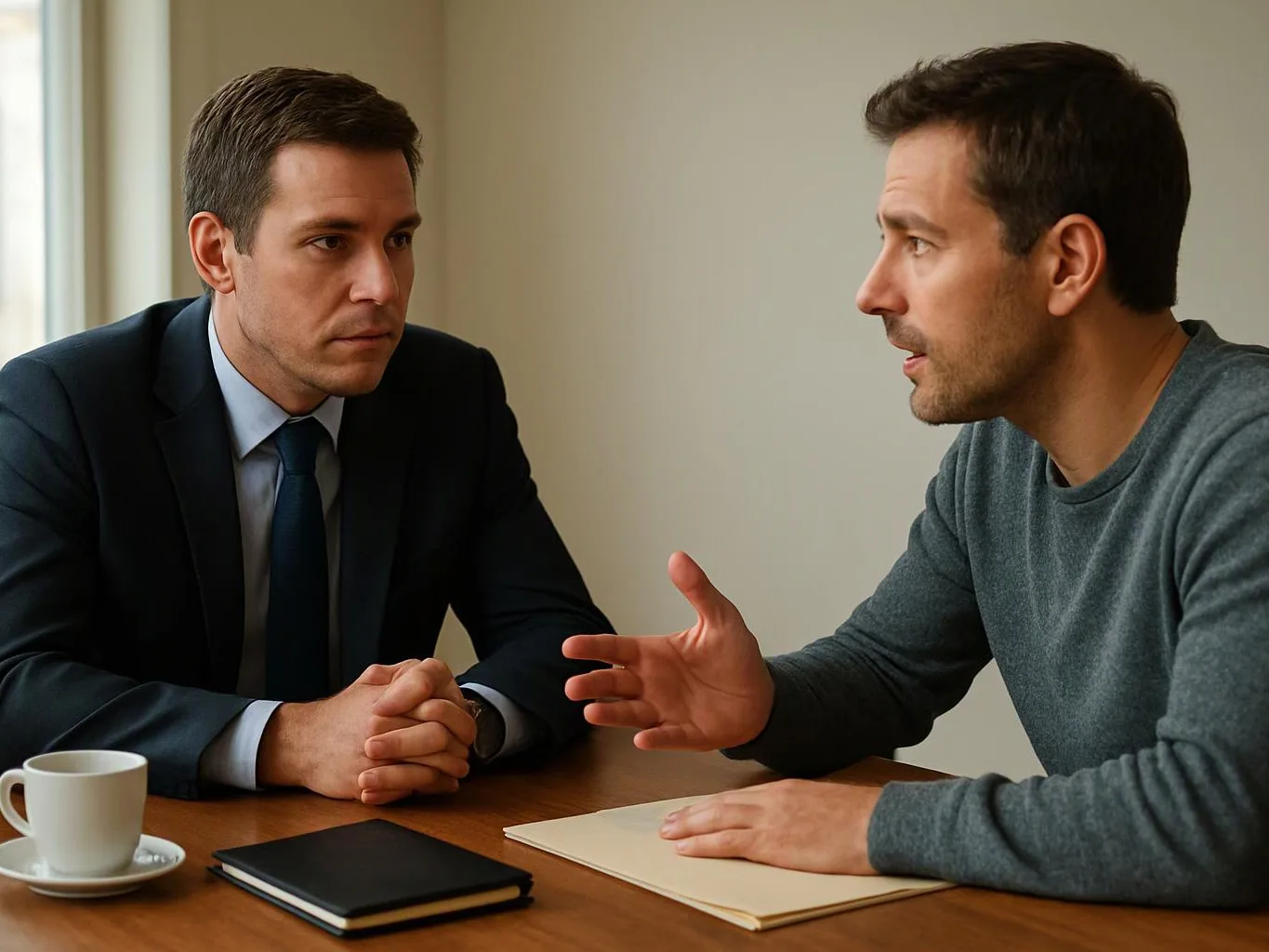
Crash reports, medical records, photographs, insurance details, and wage information are useful starting documents. Bring bicycle repair records and witness contact details if you have them. A complete file helps us understand the injury, property damage, liability facts, and insurance position without requiring you to reconstruct every detail later.
When should I speak with a lawyer after a bicycle injury?
A consultation makes sense when an injury, disputed fault, road hazard, or insurance issue affects the claim. Early advice can help preserve photographs, maintenance evidence, medical records, and witness details. In Belvedere Park, the same review applies to crashes involving pavement conditions, debris, drainage grates, or vehicle contact.
Why might an insurer question a bicycle injury claim?
An insurer may question a claim when fault, injury cause, treatment, or financial loss is disputed. We compare the insurer’s position with the crash report, medical records, photographs, witness accounts, and wage documents. The goal is to identify the exact dispute and respond with evidence tied to the claimed loss.
What happens after insurance negotiations do not resolve the claim?
A lawsuit may become the next step when negotiation does not resolve a supported claim. We assess the evidence, explain the litigation process, and discuss discovery, mediation, and trial where appropriate. Every case is different, so the decision depends on liability proof, documented losses, and the position taken by the insurer.