
What Is a Traumatic Brain Injury?
A traumatic brain injury is an injury that affects how the brain works after an outside force strikes or moves the head. A car crash or fall can produce that force. The effects can involve thinking, movement, emotions, or other functions controlled by the brain.
Quick Facts About Traumatic Brain Injury
- Category
- Brain injury caused by an outside force
- Used for
- Describing an injury in medical records and claims
- Common confusion
- A concussion is not separate from traumatic brain injury.
- Also called
- TBI
- Often discussed with
- Brain Injury Claims, Car Accident Claims
Key Takeaways About Traumatic Brain Injury
- A concussion is a type of traumatic brain injury.
- Records can show how an injury affects daily activities.
- A blow to the head isn't the only possible cause.
How Traumatic Brain Injury Works
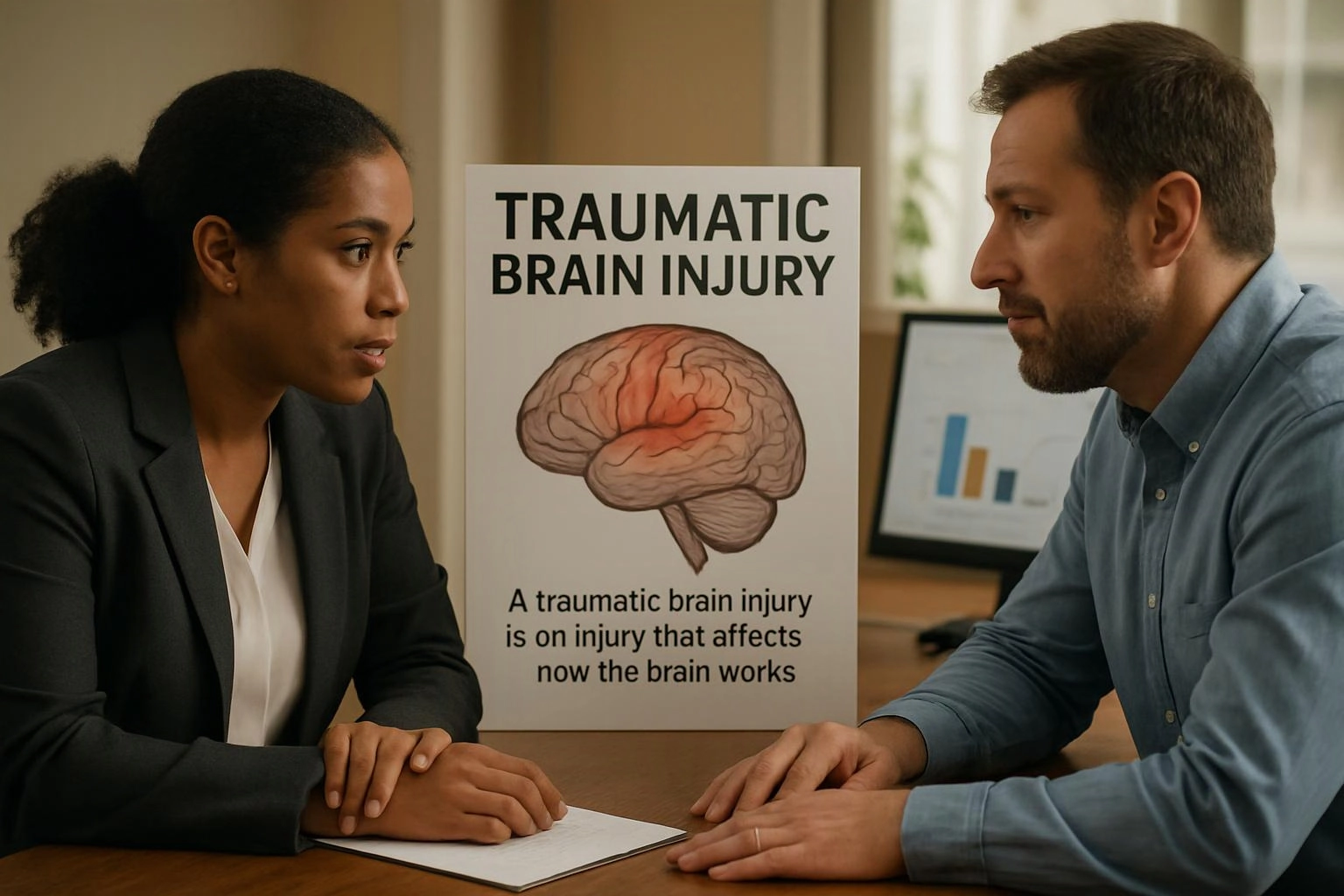
Traumatic brain injury affects brain function when force disrupts the brain. The effects depend on the injury and the areas of the brain involved. A person might have trouble remembering conversations or keeping attention on a task. Related service: Brain Injury Claims.
Related glossary terms: Damages, Negligence, Proximate Cause.
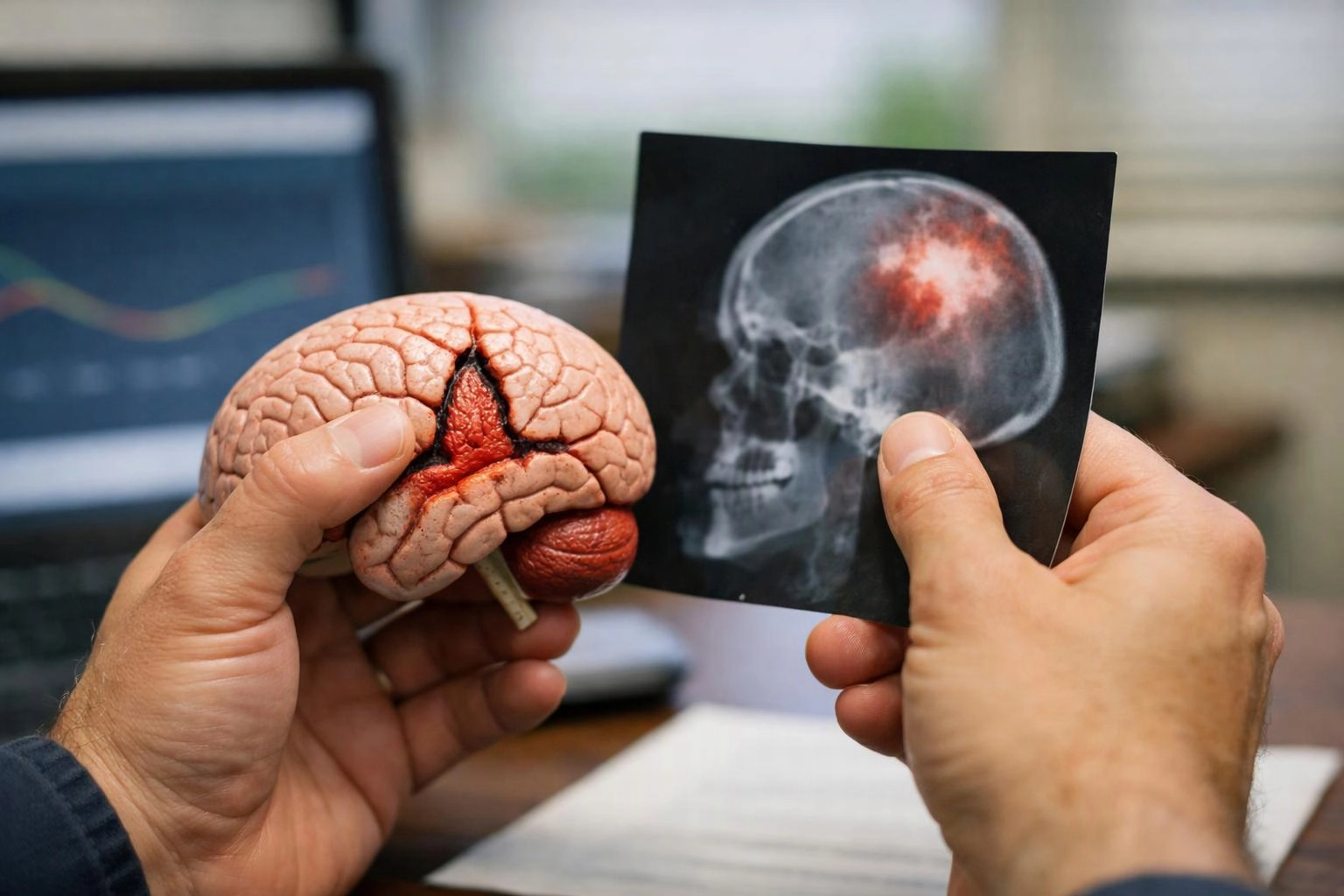
Doctors describe these injuries by severity and record their findings. A concussion is a type of traumatic brain injury, even when there is no visible wound. A scan may help doctors look for certain changes, but a scan alone doesn't describe every effect on daily life.
In a claim, the injury's effects can be relevant to damages. Records may connect a person's care and daily limits to the event. Notes about missed activities can also help explain the impact.
From the Atlanta Auto Law team
When we handle a brain injury claim, we review records for the link between the event and the injury. We also look at how the person's daily life changed. Notes from family or work can add context to medical records.
Traumatic Brain Injury in Practice: A Real-World Example
A driver hits their head during a car crash and later has trouble following conversations. Their brain injury claim includes medical records and notes about changes in their work.
Related Services
Related Terms
Damages
Damages are money sought or awarded for harm in a legal claim.
Negligence
Negligence is a legal concept that describes a failure to use reasonable care when a person has a duty to do so.
Proximate Cause
Proximate cause is a legal connection between someone's conduct and an injury that makes the conduct a basis for legal responsibility.
Pain and Suffering
Pain and suffering is a type of harm in a personal injury claim that covers physical discomfort and emotional distress from an injury.
Atlanta Auto Law
Have Questions About Traumatic Brain Injury?
Contact Atlanta Auto Law for practical guidance on Traumatic Brain Injury and related personal injury attorney work in East Point.