
What Is Thermal Runaway?
Thermal Runaway is a chain reaction in a battery cell that produces more heat than the cell can release. That heat can trigger further reactions inside the cell and spread to nearby cells. The process can release flammable gases and may lead to a fire or explosion.
Quick Facts About Thermal Runaway
- Category
- Battery failure process
- Applies to
- Lithium-ion battery cells
- Common confusion
- Ordinary battery warmth
- Often discussed with
- Lithium-Ion Micromobility Battery Fire Injury Claims, Burn Injury Claims
Key Takeaways About Thermal Runaway
- A hot battery isn't always in thermal runaway.
- Battery damage may leave clues about the fire's origin.
- A fire's cause and a product defect aren't the same finding.
How Thermal Runaway Works
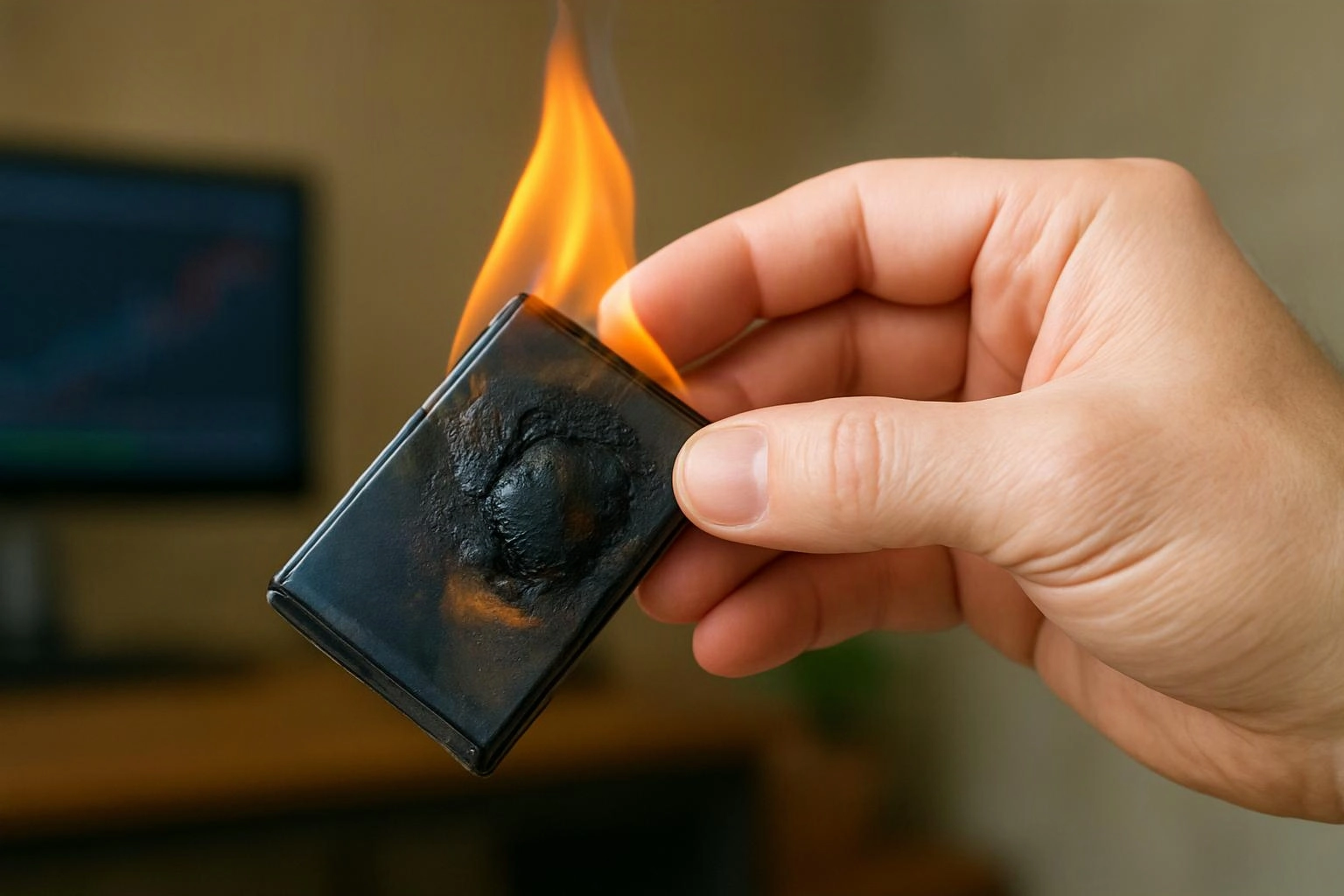
Thermal runaway begins when conditions inside a battery cell trigger heat-producing reactions. Damage, excess heat or an internal fault can set those reactions in motion. The cell's internal parts may then break down and release gas. Related service: Lithium-Ion Micromobility Battery Fire Injury Claims.
Related glossary terms: Failure to Warn, Proximate Cause, Spoliation of Evidence.
A lithium-ion battery pack contains cells grouped inside a case. Heat from a failing cell can reach neighboring cells and trigger reactions there. The spread depends on the battery's design and the conditions around it.
Ordinary warmth during charging doesn't establish that thermal runaway has occurred. Investigators may look at damage patterns and the battery's condition to understand what happened. The point where a fire started can be useful evidence, but it doesn't settle why the battery failed. A closer review may consider the charger and how the battery was used.

From the Atlanta Auto Law team
When we review a battery fire injury claim, we look at the battery's history and the available fire evidence. We also consider whether the charger or product warnings deserve closer review. A burn injury alone doesn't tell us what caused the battery to fail.
Thermal Runaway in Practice: A Real-World Example
An electric scooter battery begins smoking while it charges, and flames spread from its case. The rider suffers burns, and the claim review considers whether thermal runaway occurred inside the battery.
Related Terms
Failure to Warn
Failure to warn is a type of product liability claim involving an inadequate warning about a product’s risks.
Proximate Cause
Proximate cause is a legal connection between someone's conduct and an injury that makes the conduct a basis for legal responsibility.
Spoliation of Evidence
Spoliation of Evidence is the loss, destruction, or alteration of material that may be relevant to a legal claim.
Damages
Damages are money sought or awarded for harm in a legal claim.
Atlanta Auto Law
Have Questions About Thermal Runaway?
Contact Atlanta Auto Law for practical guidance on Thermal Runaway and related personal injury attorney work in East Point.