
What Are Per- and Polyfluoroalkyl Substances (PFAS)?
PFAS are a group of human-made chemicals used in products that resist water, oil, or heat. The name stands for per- and polyfluoroalkyl substances. PFAS can enter water, soil, and the human body. Some PFAS break down slowly and can remain in the environment.
Quick Facts About PFAS
- Category
- Human-made chemicals
- Used for
- Water, oil, and heat resistance
- Common confusion
- Exposure is not the same as proof of injury
- Also called
- Forever Chemicals, Per- and Polyfluoroalkyl Substances
- Often discussed with
- PFAS Contamination Injury Claims
Key Takeaways About PFAS
- Individual PFAS chemicals have different properties.
- Exposure records can help explain a potential injury claim.
- A positive test alone doesn't establish who caused an injury.
How PFAS Works
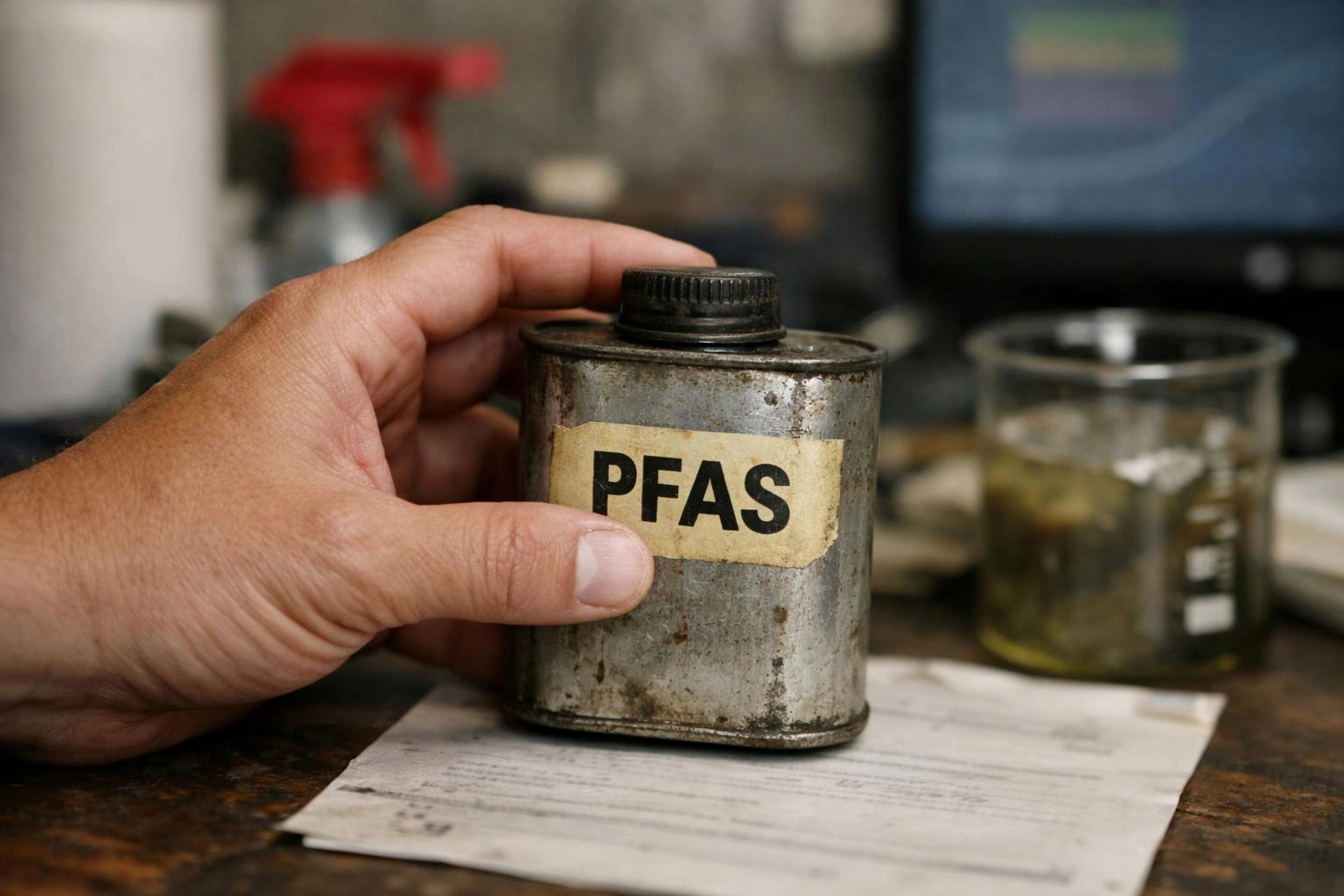
PFAS have chemical bonds that help some products resist water and grease. Those bonds also make certain PFAS hard to break down. Their properties vary across the group, so a finding about a specific chemical doesn't automatically apply to every PFAS. Related service: PFAS Contamination Injury Claims.
Related glossary terms: Burden of Proof, Proximate Cause, Damages.
PFAS can move from a release site into surrounding soil or water. People may encounter the chemicals through contaminated drinking water or other sources. The route of contact helps explain how an exposure may have happened.
A lab can test a sample for certain PFAS. A test result identifies what the lab found in that sample. It doesn't, on its own, show where the chemicals came from or whether they caused a person's illness.
From the Atlanta Auto Law team
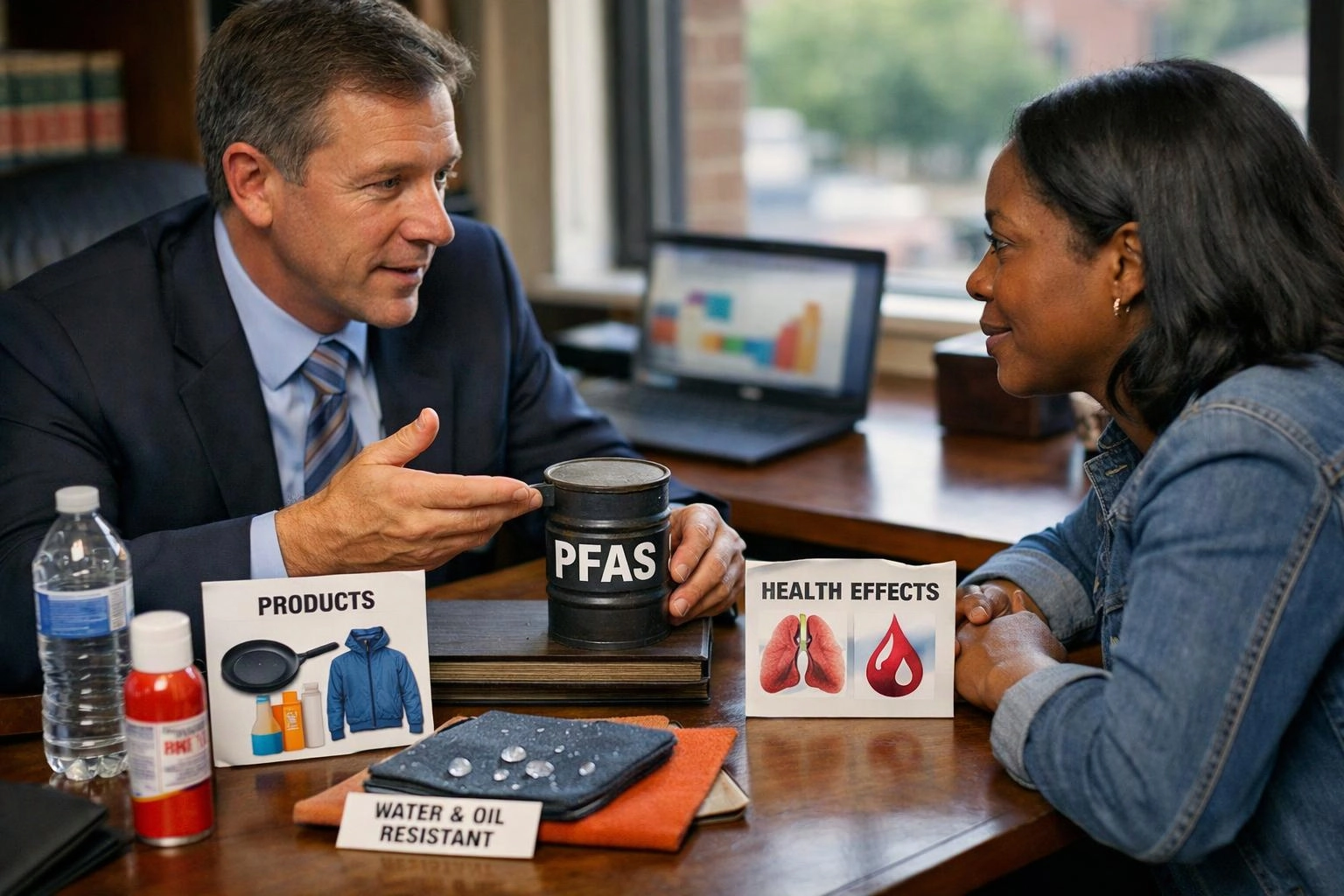
When we review a PFAS contamination injury claim, we look at the reported exposure and the person's medical records. We also check available records for clues about a possible source. A claim needs evidence connecting the exposure to the alleged injury.
PFAS in Practice: A Real-World Example
A resident learns that a water test found PFAS near their home. In a potential injury claim, the resident's records may help show whether the water was a source of exposure.
Related Services
Related Terms
Burden of Proof
The burden of proof is a legal responsibility to support a claim with enough evidence to meet the applicable standard.
Proximate Cause
Proximate cause is a legal connection between someone's conduct and an injury that makes the conduct a basis for legal responsibility.
Damages
Damages are money sought or awarded for harm in a legal claim.
Negligence
Negligence is a legal concept that describes a failure to use reasonable care when a person has a duty to do so.
Atlanta Auto Law
Have Questions About PFAS?
Contact Atlanta Auto Law for practical guidance on PFAS and related personal injury attorney work in East Point.