Skip to content

Traumatic Brain Injury Lawyer in Candler-McAfee, Georgia

Neuropsychological testing helps assess brain injury evidence in Candler-McAfee. We connect test findings with medical records and the accident claim.

Upfront, Transparent PricingServing 52 CommunitiesMon-Sun: Open 24 hoursFast Scheduling

Quick Summary: Brain Injury Legal Help in Candler-McAfee, Georgia

Traumatic Brain Injury Lawyer in Candler-McAfee is provided by Atlanta Auto Law for brain injury claims involving crashes and other motor vehicle collisions. Our team reviews medical records, accident evidence, lost income, treatment, and pain and suffering for clients throughout Georgia.

  • What we do: Atlanta Auto Law provides Traumatic Brain Injury Lawyer services for clients in Candler-McAfee, Georgia, with claim review, evidence gathering, insurer communication, and lawsuit support.
  • What is included: We investigate liability, review medical and rehabilitation records, assess brain injury evidence, negotiate with insurers, and pursue personal injury lawsuits when appropriate.
  • What you get: The client receives a clear claim assessment, an organized evidence record, and legal representation through settlement or litigation.

What evidence supports a brain injury claim?

Neuropsychological testing, brain scans, medical records, witness statements, and rehabilitation records can support a traumatic brain injury claim. The strength of the evidence comes from how well the records connect the injury to the collision and show its effect on daily life, work, and treatment.

Client Support and Delivery in Candler-McAfee

A brain injury claim often depends on records that show more than the first emergency visit. Symptoms can affect memory, focus, mood, balance, and work tasks, even when an early exam does not show every problem. We review the timeline and compare the medical record with the reported collision.

The key buyer decision is whether the evidence supports a claim and what proof still needs to be gathered. Our team examines brain scans, medical records, witness statements, and rehabilitation records. We also review liability, lost wages, property damage, and the effect of treatment on daily life.

A traumatic brain injury claim is not the right service for a matter with no personal injury issue. Property damage alone calls for a different legal review, while a serious brain injury may require medical and legal evidence to be developed together.

  • Confirm that the collision and injury timeline is documented.
  • Collect medical records, brain scans, treatment notes, and rehabilitation records.
  • Identify witnesses who saw the collision or changes after it.
  • Compare the injury evidence with lost wages and daily limits.
  • Review the insurer’s position before discussing a settlement.
A quiet tree-lined street runs past brick houses and parked cars in warm afternoon light

Service Overview

A traumatic brain injury lawyer is a personal injury attorney who builds claims for harm to the brain after a collision or other event.

  • This work differs from a property damage claim because it addresses medical care, lost income, pain, and lasting changes in daily function.
  • Atlanta Auto Law serves clients in Candler-McAfee and throughout Georgia.

What Brain Injury Claim Support Includes

Atlanta Auto Law provides comprehensive Traumatic Brain Injury Lawyer in Candler-McAfee. Here's what you get:

  • We investigate liability through accident reports, available records, and other evidence.
  • We review medical records and brain scans related to the reported injury.
  • We organize witness statements and rehabilitation records for the claim file.
  • We communicate with insurance companies and respond to claim issues.
  • We negotiate for medical expenses, lost wages, property damage, and pain and suffering.
  • We pursue a personal injury lawsuit when the case and client goals call for litigation.

What Clients Should Check Before Choosing Brain Injury Counsel

Evidence review before settlement

The first decision is whether the record supports a brain injury claim. We review the accident facts, medical history, treatment notes, and available witness evidence before settlement discussions.

Communication during the claim

An injury claim creates questions as records arrive and insurers respond. Our team provides ongoing client communication and case updates through the claims process.

When another service fits

A claim about vehicle damage without bodily injury needs a different legal focus. We handle personal injury matters, including traumatic brain injury claims, when the facts support that work.

Process

How We Build A Brain Injury Claim

1

Review the collision facts

We begin with the accident details, injury reports, available records, and the client’s account of what changed afterward.

2

Gather medical evidence

The claim file may include brain scans, medical records, treatment notes, and rehabilitation records that relate to the injury.

3

Compare daily and work limits

We examine how the injury affects work, household tasks, relationships, and ongoing care needs.

4

Address the insurance claim

Our team communicates with insurers, responds to disputed points, and negotiates based on the evidence.

5

Prepare for resolution

We assess settlement options and pursue a personal injury lawsuit when appropriate.

What This Legal Review Changes

A complete record helps connect the collision to the claimed brain injury.

Medical and rehabilitation records show how treatment affects daily tasks and work.

Witness statements add context when symptoms are not visible at the scene.

The claim can account for costs beyond the vehicle repair, including lost income and medical care.

Clients receive clear legal guidance before they discuss settlement terms with an insurer.

Evidence Types Used In Brain Injury Claims

Each evidence type answers a different question about the event, injury, treatment, or lasting effect.

Evidence typeWhat it may showHow we use it
Brain scansImaging findings related to the injuryWe compare the findings with the medical timeline
Medical recordsSymptoms, diagnosis, and treatmentWe track care and connect it to the claim
Witness statementsWhat others saw before and after the collisionWe use the accounts to add context
Rehabilitation recordsTreatment needs and daily limitsWe assess effects on work and routine

The Atlanta Auto Law Standard

  • Legal Guidance
  • Document Review
  • Clear Options
  • Client Communication

Questions About Brain Injury Claim Evidence

What evidence supports a traumatic brain injury claim?

Neuropsychological testing, brain scans, medical records, witness statements, and rehabilitation records support many brain injury claims.

We compare those materials with the collision timeline and reported symptoms. The record should also show treatment, work limits, daily changes, and the losses connected to the injury.

What should be checked before legal work begins?

The collision timeline, medical history, treatment records, and insurance position should be checked first.

Important materials may include the police report, medical records, imaging, wage records, and witness contact information. Early review helps identify gaps before an insurer receives a detailed claim statement.

Who is a good fit for this type of claim?

People with a possible brain injury after a collision are a good fit for this legal review.

A matter focused only on vehicle damage needs a different service. We assess whether the available facts connect the injury to the event and whether medical care and losses support a personal injury claim.

What happens at each stage of the claim?

The claim moves from fact review to evidence gathering, insurance negotiation, and possible litigation.

  1. We review the collision and injury record.
  2. We gather medical, witness, and rehabilitation evidence.
  3. We address the insurer’s position.
  4. We assess settlement or lawsuit options.

Which records help show changes after a crash?

Treatment notes, rehabilitation records, work records, and witness accounts help show changes after a crash.

These materials can describe memory problems, focus limits, balance concerns, or changed work duties. We organize the records so the injury’s effect is easier to evaluate.

When should a person speak with a lawyer about a brain injury?

A person should seek legal guidance when a collision causes ongoing symptoms, medical treatment, or work limits.

Early discussion helps preserve records and clarify communication with insurers. In Candler-McAfee, Atlanta Auto Law reviews the available facts through a free consultation.

Why can a claim need more than a brain scan?

A brain scan may not capture every symptom or daily limit caused by an injury.

Medical records, clinical notes, witness statements, and rehabilitation records add needed context. We consider the full record instead of relying on one test or document.

Contact

Discuss A Brain Injury Claim In Candler-McAfee

Schedule a Consultation with Atlanta Auto Law to review the collision, medical records, and claim evidence; urgent requests get priority scheduling.

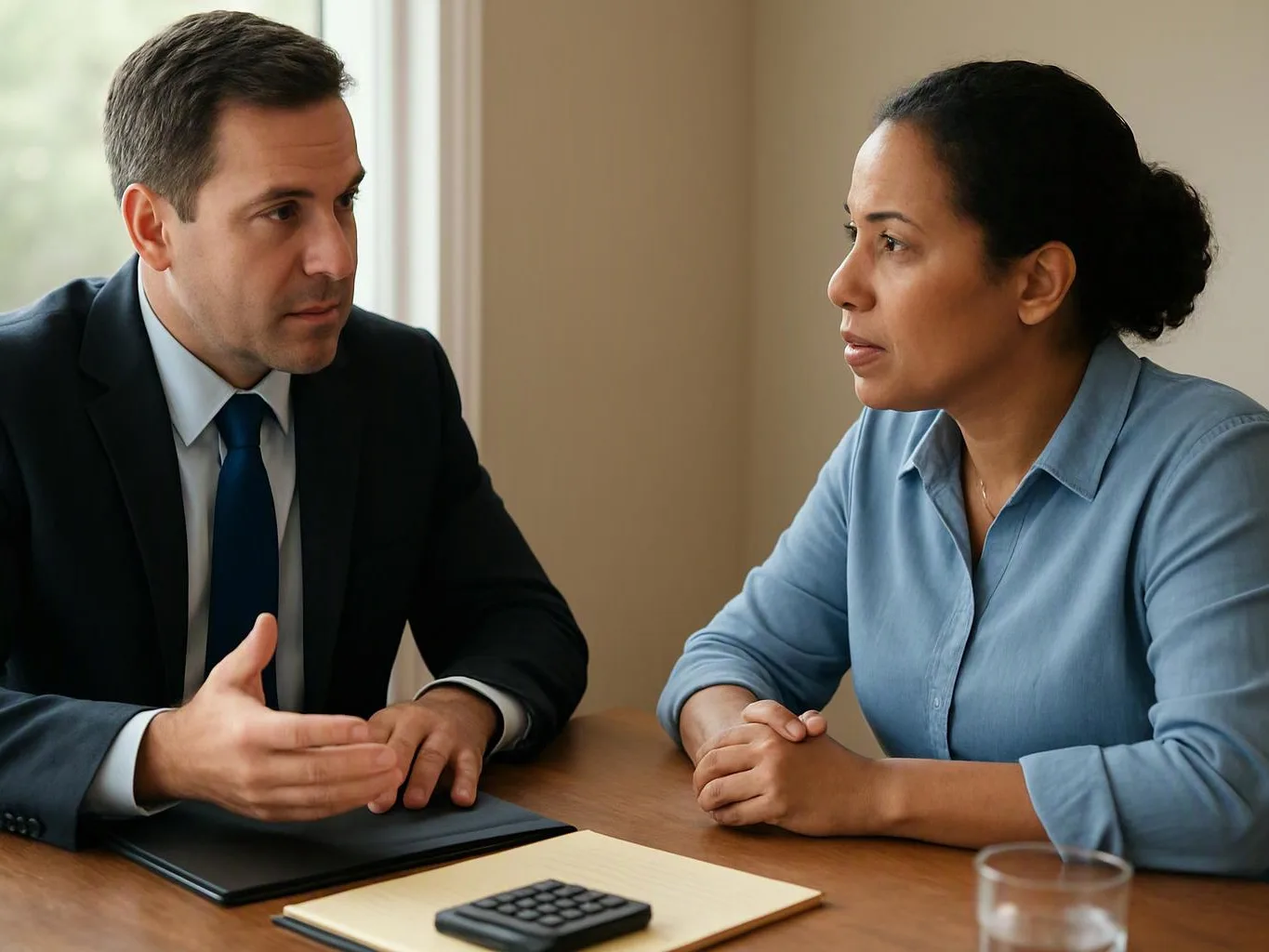
A man in a suit speaks across a table to a woman in a blue shirt, with a calculator and papers between them

Traumatic Brain Injury Lawyer in Other Areas

The information on this website is for general informational purposes only and is not legal advice, does not create an attorney-client relationship, and may not reflect current law in East Point, Georgia, United States. Every situation is different; consult a licensed attorney about your specific matter. Prior results do not guarantee a similar outcome.

(678) 235-3870