Can I recover damages after slipping on an unsafe property condition?
Yes, recovery can be possible when the evidence supports liability and documented injury losses. Wet floors, broken stairs, poor lighting, or missing warnings can matter, but the full record still needs review. Medical care, photographs, witness details, incident reports, and wage records can help show what happened and how the injury affected you.
What should be checked before a fall injury claim is scheduled?
The initial review should check the hazard, injury, property records, witnesses, and available insurance information. Keep photographs, clothing, medical records, bills, and messages with the property manager. We use those materials to decide whether the matter fits a premises liability claim and what evidence needs prompt attention.
What does the legal team look at first after a fall?
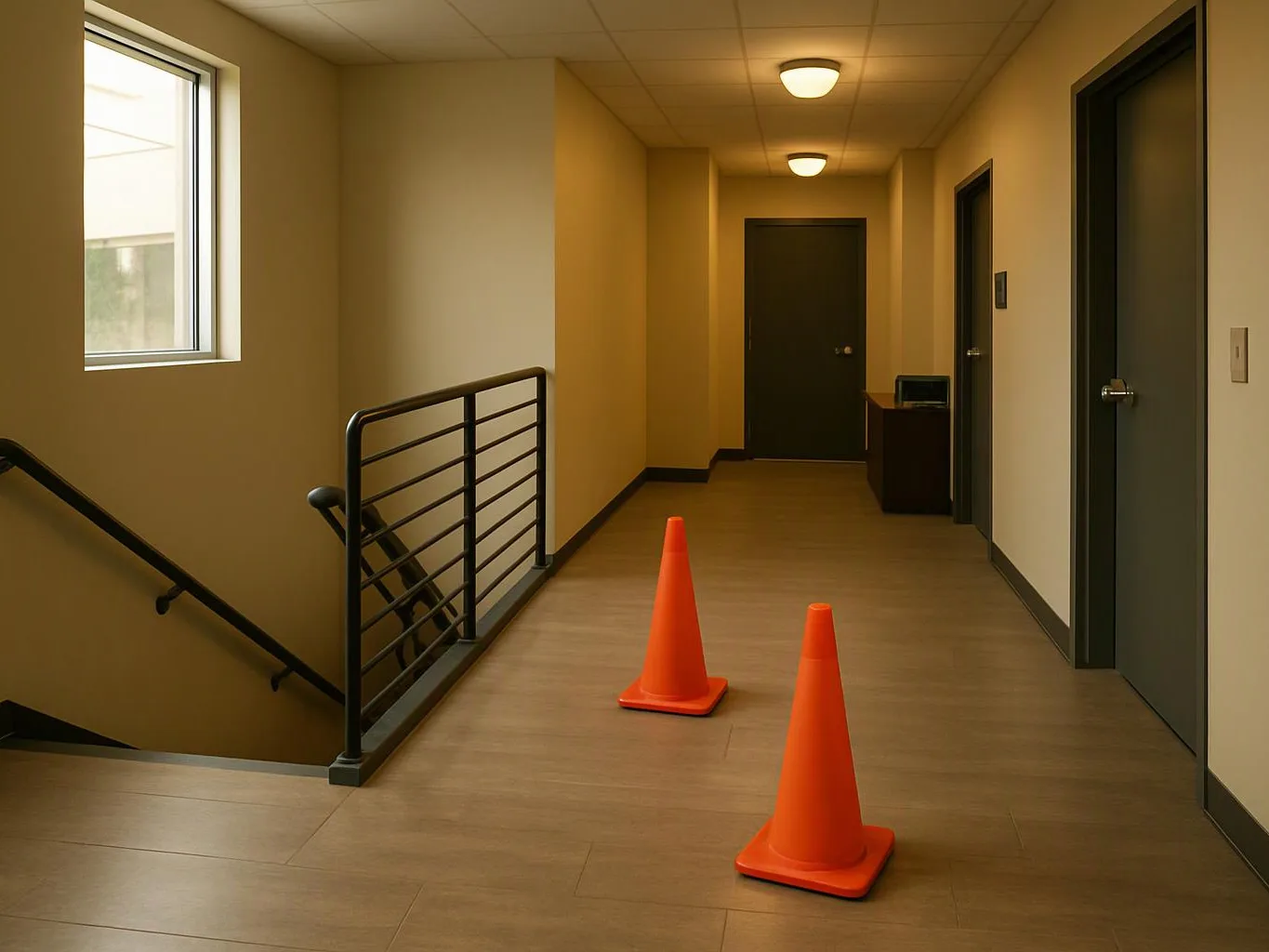
The first review looks at the condition that caused the fall and the records that support it. Photographs, warning signs, lighting, stairs, floor surfaces, witness accounts, and incident reports can all matter. We then compare those facts with medical records and the losses claimed by the injured person.
What happens at each stage of a fall injury claim?
A fall injury claim moves from intake and evidence gathering to liability review, insurance negotiation, and possible litigation. The main stages include:
- Discuss the incident and injuries.
- Collect photographs, reports, medical records, and wage records.
- Assess liability and documented losses.
- Address settlement with the insurer.
- Consider discovery, mediation, or trial when appropriate.
Which records should I bring to the first consultation?
Photographs, medical records, bills, incident reports, witness details, wage information, and insurer letters provide a useful starting record. Bring messages with the property owner or manager as well. Missing records do not end the discussion, because we can identify which documents need to be requested or preserved.
How does a fall claim differ from a car accident claim?
A fall claim centers on an unsafe property condition, while a car accident claim centers on a vehicle collision and driving conduct. Premises liability evidence can include floor conditions, stairs, lighting, warnings, maintenance records, and incident reports. Both claim types can involve medical bills, lost income, insurance talks, and personal injury litigation.
Why should I avoid discussing the full claim with an insurer first?
An insurer’s early questions can seek statements about fault, symptoms, treatment, and the event itself. A rushed statement can leave out facts or misstate an injury. We can review the claim record and help organize the information before settlement discussions move forward.