Skip to content

Pedestrian Accident Lawyer in Decatur, Georgia

Hazard warnings help show whether a property condition contributed to a pedestrian injury in Decatur. Atlanta Auto Law offers free consultations for these claims.

Upfront, Transparent PricingServing 52 CommunitiesMon-Sun: Open 24 hoursFast Scheduling

Quick Summary: pedestrian injury lawyers in Decatur, Georgia

Pedestrian Accident Lawyer in Decatur connects injured pedestrians with Atlanta Auto Law for claims involving driver conduct and property conditions. We investigate liability, communicate with insurers, and pursue fair compensation across Georgia.

  • What we do: Atlanta Auto Law handles pedestrian injury claims in Decatur, Georgia, including liability reviews, insurance communication, settlement talks, and lawsuits when appropriate.
  • What is included: We investigate accident facts, review medical and police records, assess premises liability, negotiate with insurers, and protect clients' rights.
  • What you get: The client receives a clear claim assessment and informed guidance through negotiation or litigation.

Can a property owner share responsibility for a pedestrian injury in Decatur, Georgia?

Yes, a property owner can share responsibility when a dangerous condition and poor warning helped cause the injury. Evidence may include photographs, incident reports, witness accounts, maintenance records, and medical records. Georgia claims often turn on what the owner knew, what the owner should have known, and whether reasonable steps were taken.

Pedestrian accident claims in Decatur and Georgia

A pedestrian injury claim asks who caused the harm and which losses followed. The answer may involve a driver, a property owner, or more than one party.

This page focuses on the property-side question. A broken sidewalk, poor lighting, or missing sign can affect how a claim is investigated. We review the accident scene, available records, medical treatment, lost income, and insurance position before advising on a demand or lawsuit.

The decision for a buyer is whether the claim needs a wider liability review. A simple driver claim may not require premises liability analysis. A claim involving a store, landlord, business, or public walkway can require evidence about notice, maintenance, warnings, and control of the area.

  • Identify every condition that may have contributed to the pedestrian injury.
  • Preserve photographs, video, witness details, police records, and medical records.
  • Separate driver negligence from premises liability issues.
  • Review medical expenses, lost wages, property damage, and pain and suffering.
  • Decide whether insurance negotiation or a personal injury lawsuit fits the claim.
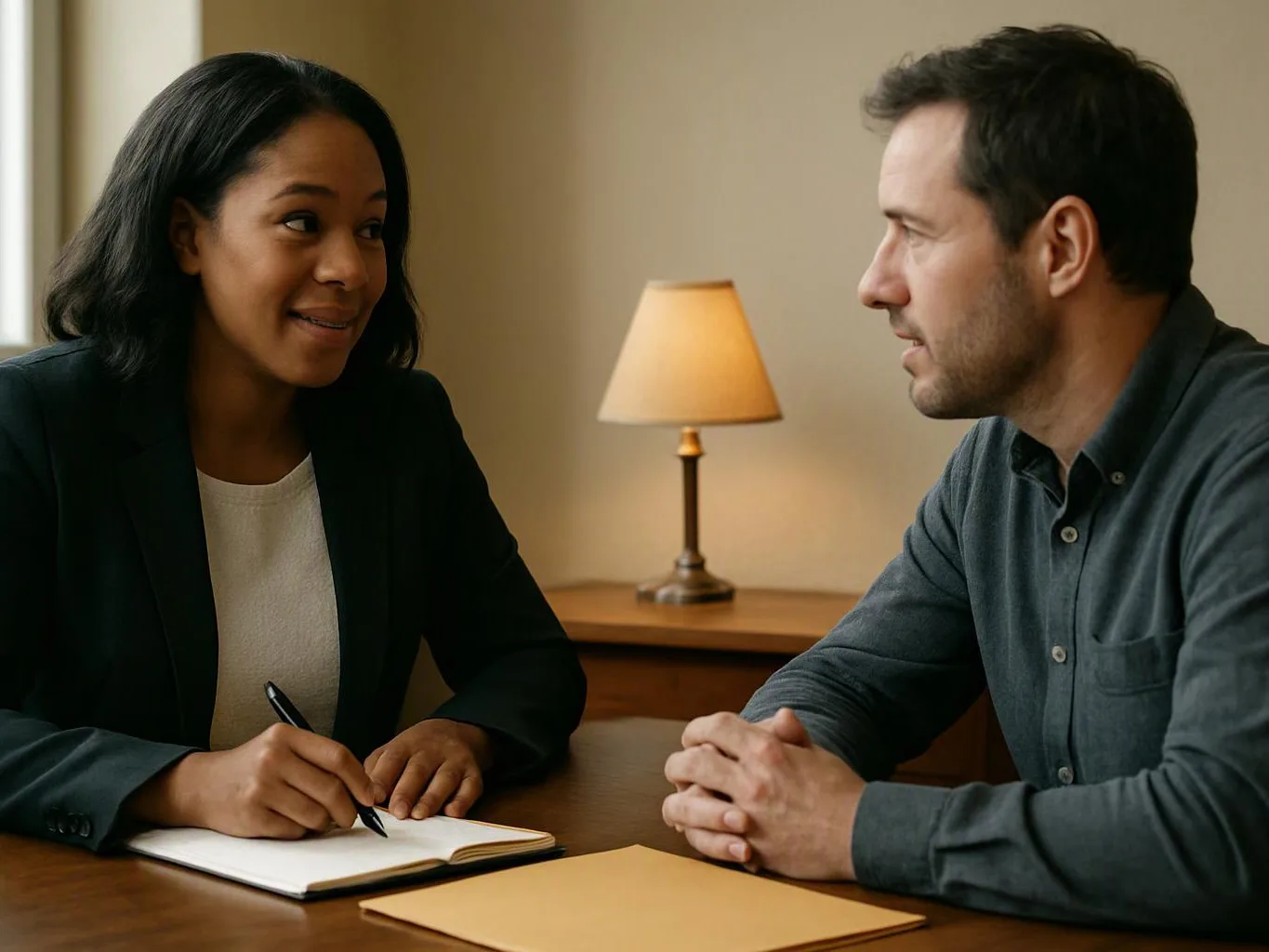
Two people sit at a table, one taking notes while they talk in a softly lit room

Service Overview

Pedestrian accident law is a personal injury service that examines fault after a person is struck or hurt near traffic or property.

  • A pedestrian claim may involve driver negligence, premises liability, or both, while a property damage claim focuses on vehicles and belongings.
  • We provide pedestrian injury representation in Decatur and throughout Georgia.

What pedestrian injury representation includes

Atlanta Auto Law provides comprehensive Pedestrian Accident Lawyer in Decatur. Here's what you get:

  • We investigate how the collision or fall happened and identify possible sources of fault.
  • We review police records, medical records, photographs, witness accounts, and insurance information.
  • We examine premises liability issues involving sidewalks, lighting, signs, and property maintenance.
  • We communicate with insurance companies and respond to claim questions.
  • We negotiate a settlement and explain the factors that affect fair compensation.
  • When appropriate, we pursue a personal injury lawsuit through discovery, mediation, or trial.

The scope this service is meant to handle

A hypothetical example involves a pedestrian injured near a property where lighting is poor and a walkway is damaged. We would compare scene photographs, witness accounts, maintenance records, and medical records to assess whether the property owner shared responsibility.

How we approach pedestrian injury claims

Separate driver and property fault

The first decision is whether the injury involves only driver conduct or also a dangerous condition. We review the facts before choosing the claim path. This service is the wrong fit for a matter unrelated to personal injury or motor vehicle liability.

Build the record early

Photographs, police records, medical records, witness details, and insurance notices can shape the claim. Our team organizes those materials and identifies gaps that need attention.

Explain negotiation and litigation

A demand letter may lead to insurance negotiation, while discovery, mediation, or trial may become appropriate later. We explain each stage in plain language and provide ongoing case updates.

Process

How we handle a pedestrian injury claim

1

Collect the accident facts

We discuss where and how the injury happened, then gather available police records, photographs, witness details, medical records, and insurance information.

2

Check each possible source of fault

We assess driver conduct and property conditions such as broken sidewalks, poor lighting, missing signs, and control of the area.

3

Measure the injury losses

We review medical treatment, medical expenses, lost wages, property damage, emotional stress, and pain and suffering.

4

Communicate with insurers

We handle insurance communications and explain questions or settlement positions that affect the claim.

5

Choose negotiation or litigation

We may prepare a demand letter, negotiate a settlement, or pursue discovery, mediation, and trial when appropriate.

What this legal review changes for the client

A broader liability review can keep a property condition from being overlooked.

Written evidence helps connect the hazard, the injury, and the resulting losses.

Insurance discussions follow the facts of the claim instead of a rushed account.

Clients receive guidance about medical expenses, lost wages, property damage, and pain and suffering.

The case receives a clear path toward negotiation or litigation.

Driver fault and property fault in pedestrian claims

The table shows the main evidence focus for two common liability paths.

Claim pathMain questionEvidence reviewed
Driver negligenceDid the driver's conduct cause the injury?Police records, witness accounts, photographs, medical records, and insurance information
Premises liabilityDid a property condition or missing warning contribute to the injury?Scene photographs, maintenance records, notice evidence, witness accounts, and medical records

The Atlanta Auto Law Standard

  • Legal Guidance
  • Document Review
  • Clear Options
  • Client Communication

Questions about pedestrian injury claims

Can a property owner share responsibility for a pedestrian injury?

Hazard warnings can support shared property responsibility when a dangerous condition helped cause the injury. Atlanta Auto Law reviews ownership or control, notice, maintenance, photographs, witness accounts, and medical records. A property claim may proceed with a driver claim when the evidence connects both conditions to the harm.

How does a pedestrian injury claim move from the first call to the last step?

The claim moves from intake and evidence review to liability analysis, insurance negotiation, and possible litigation. We first discuss the accident and collect available records. The next stages may include a demand letter, discovery, mediation, or trial, depending on the facts and the response from the insurer.

What documents should I bring to the first consultation?

Police records, medical records, photographs, witness details, insurance information, and wage records help start the review. Bring bills and messages tied to the accident when available. The record set does not need to be complete before a consultation, because we can identify additional information during the intake.

Which part of a property decides the legal review?

The condition that contributed to the injury decides which property facts need review. A sidewalk may raise maintenance and control questions, while poor lighting may raise visibility and warning questions. Missing signs can require a separate look at notice and the duty to warn.

Why can an insurer deny a pedestrian injury claim?

An insurer may deny a claim because it disputes fault, notice, causation, or the amount of loss. Our team compares the denial with the accident records, medical evidence, photographs, and witness accounts. We then explain whether further negotiation, a demand letter, or a lawsuit fits the available evidence.

How can I tell whether this legal service fits my injury?

A pedestrian injury claim fits when a person suffered harm in a collision or because a property condition contributed to the event. The claim may involve medical treatment, lost income, property damage, or pain and suffering. Matters unrelated to personal injury or motor vehicle liability need a different legal service.

What changes the legal work needed for a serious pedestrian injury?

A serious injury usually requires closer review of medical treatment, future care, lost income, insurance coverage, and long-term effects. Evidence must connect those losses to the accident. We assess the records and liability issues before explaining whether settlement talks or litigation should continue.
Contact

Discuss a pedestrian injury claim in Decatur

Schedule a consultation with Atlanta Auto Law to review liability, evidence, and the claim path. Urgent requests get priority scheduling.

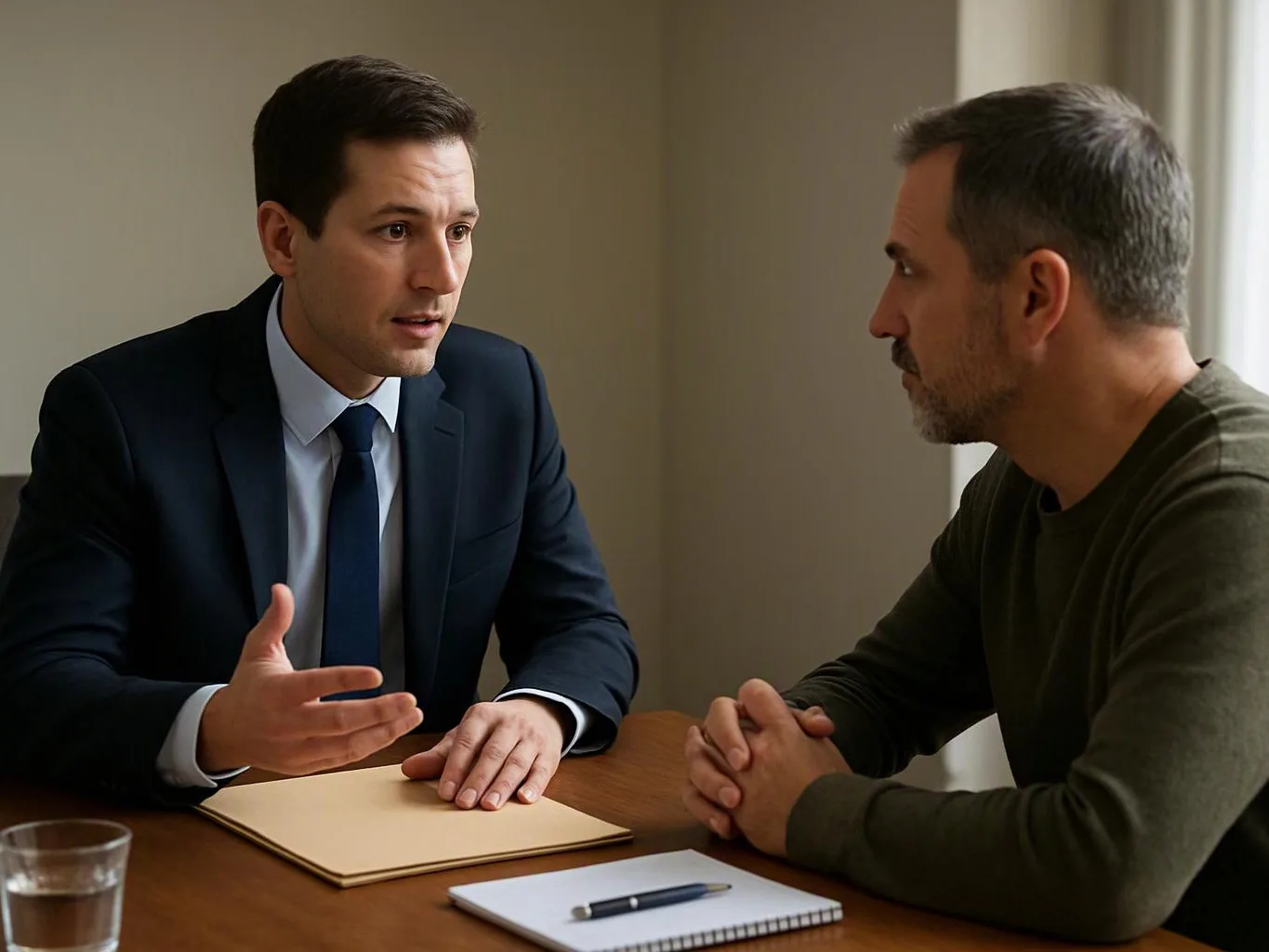
Two men sit at a table, one in a suit speaking with a folder open, the other listening with folded hands

ZIP Codes We Serve in Decatur, Georgia

3003030031300323003330034300353003630037

Pedestrian Accident Lawyer in Other Areas

The information on this website is for general informational purposes only and is not legal advice, does not create an attorney-client relationship, and may not reflect current law in East Point, Georgia, United States. Every situation is different; consult a licensed attorney about your specific matter. Prior results do not guarantee a similar outcome.

(678) 235-3870