How should I respond if an insurer says I caused the crash?
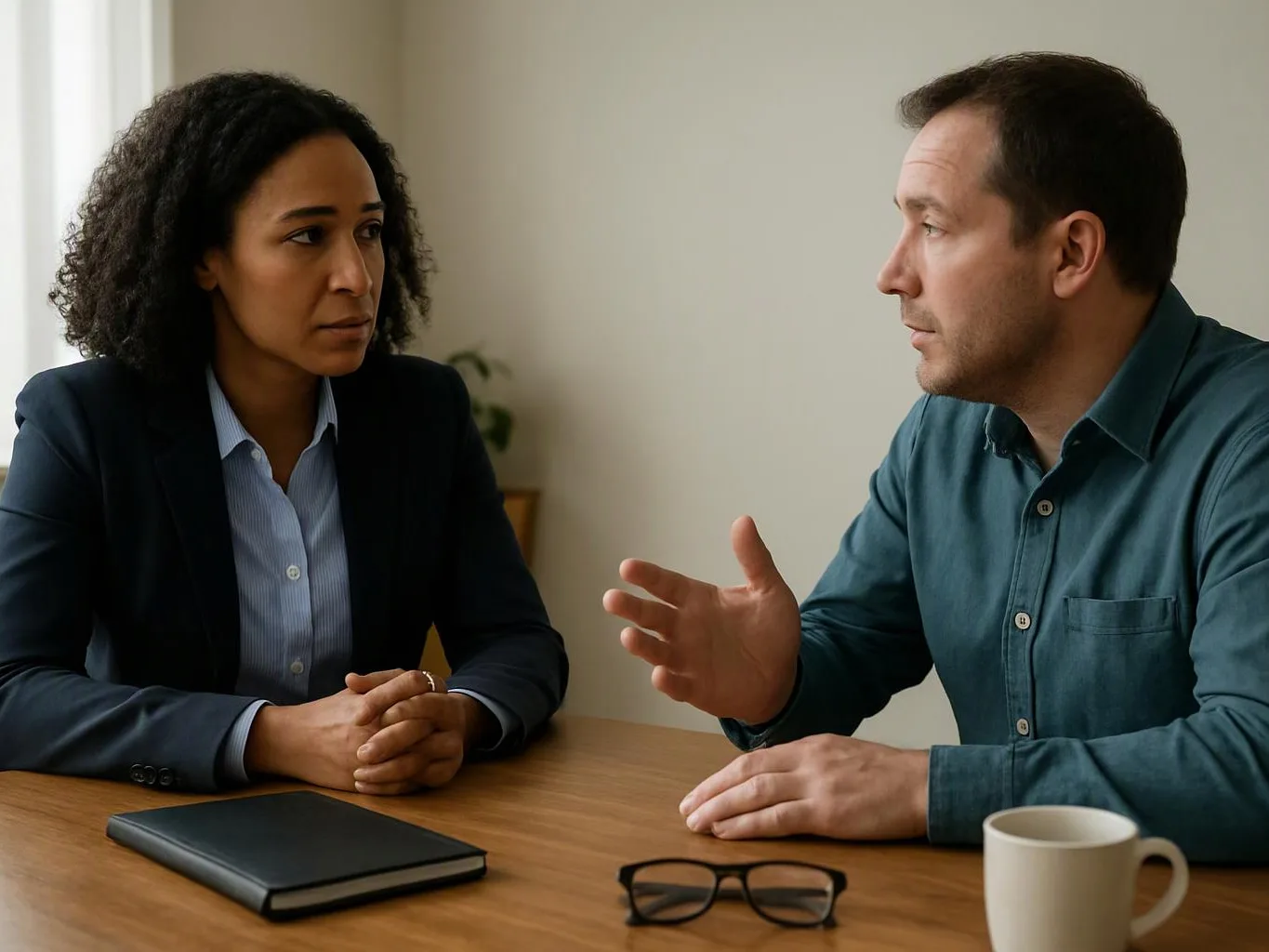
Witness testimony should be reviewed before you accept or reject a fault claim. Preserve the police report, photos, messages, medical records, and insurance letters. Atlanta Auto Law compares those materials with traffic footage, helmet use, and damage patterns. Avoid guessing about speed, lane position, or fault when speaking with an insurer.
What documents should I bring to the first consultation?
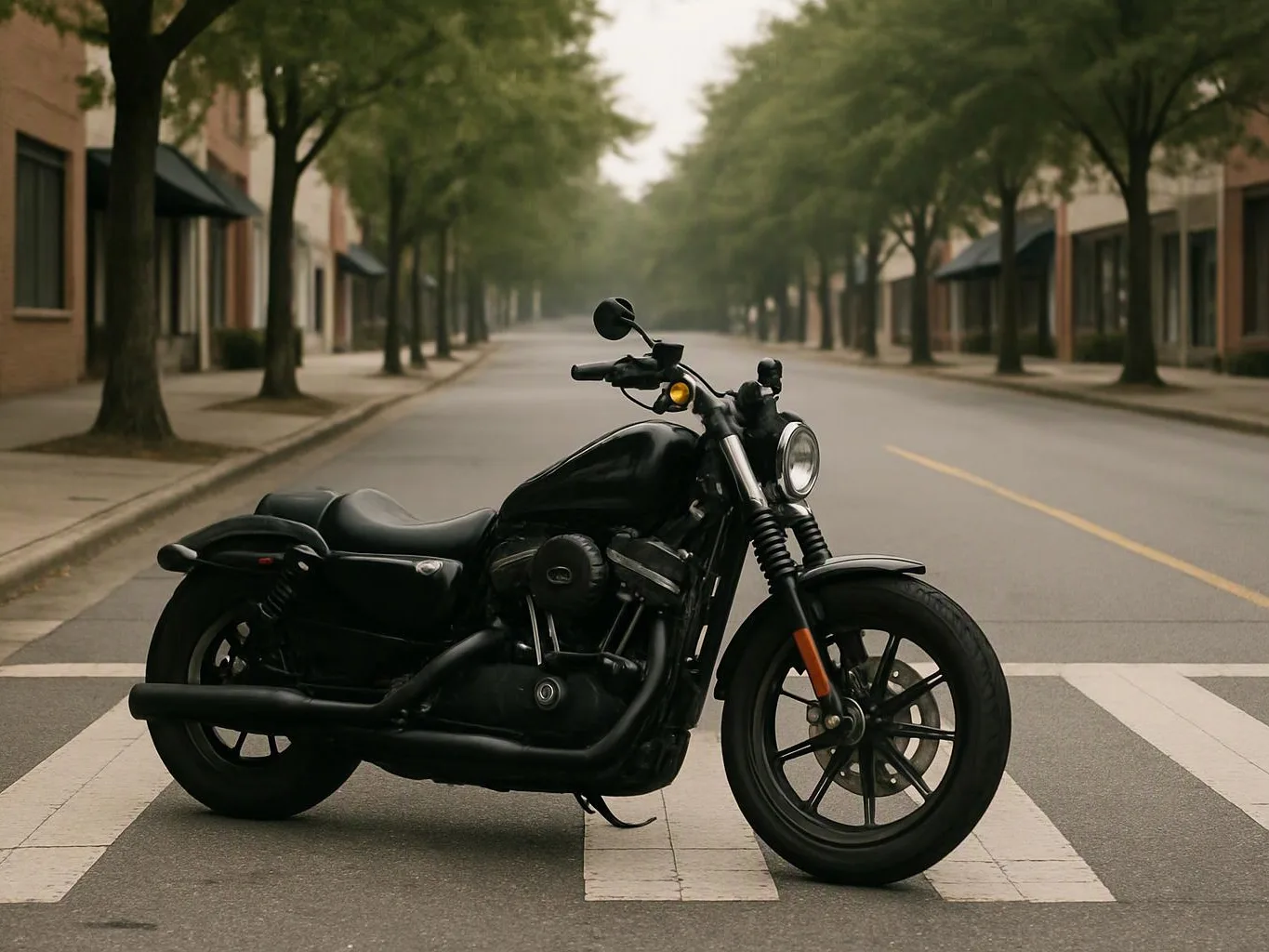
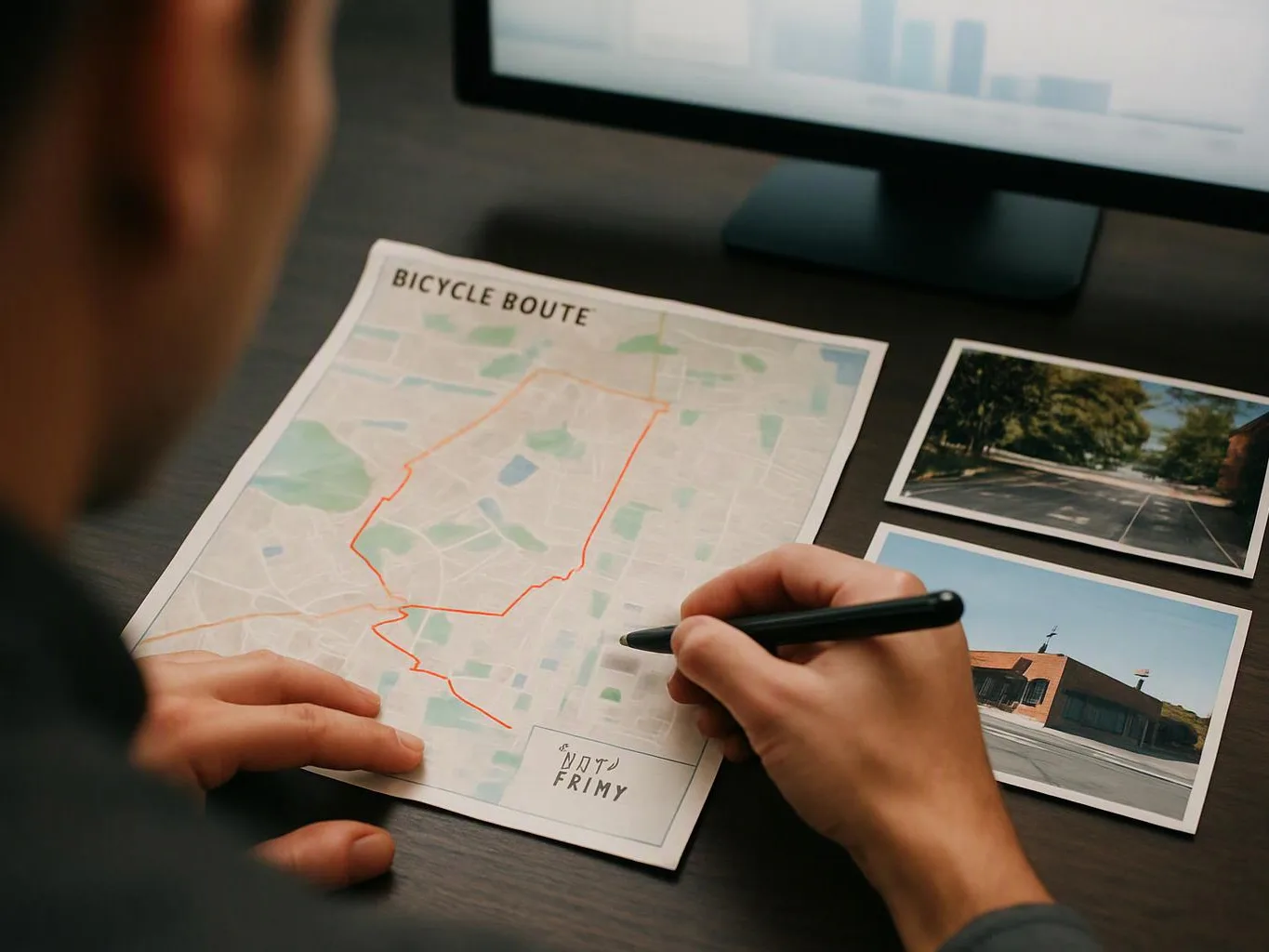
Crash records, medical documents, insurance details, and photographs give the first review a useful base. Bring the police report, claim letters, medical bills, treatment notes, wage records, motorcycle repair information, and witness contact details. Do not delay a consultation because one document is missing. The available facts can guide the next request.
Which part of the crash decides the legal review?
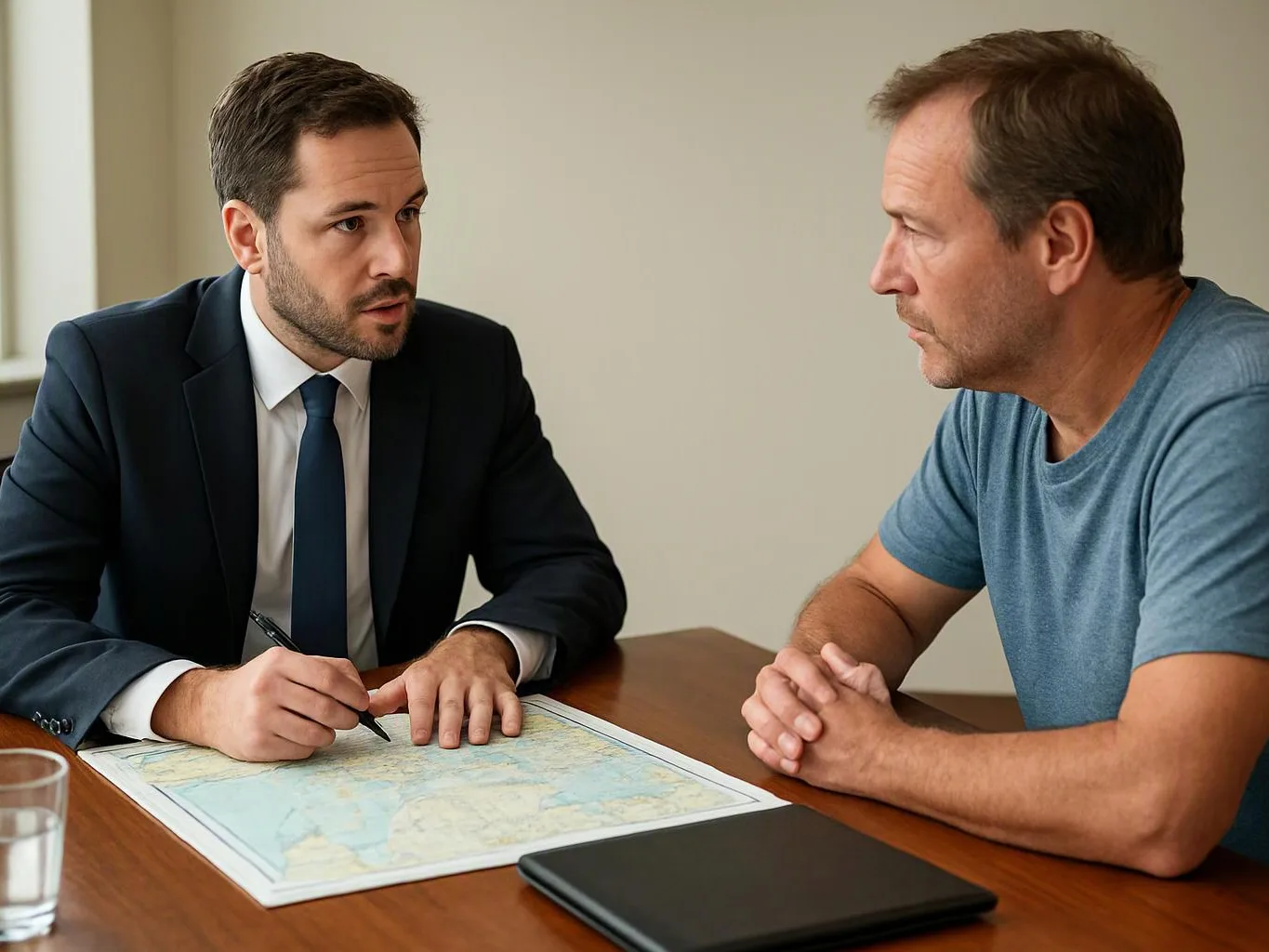
The disputed facts decide the legal review, especially the sequence of impact and each person's conduct. Damage patterns may test the reported collision path, while traffic footage may clarify movement and timing. Witness accounts and medical records address separate parts of the claim. The review then measures those facts against comparative fault.
How does a motorcycle crash claim move from the first call to the last step?
A motorcycle crash claim moves from intake and evidence gathering to insurance negotiation or litigation. We first review the account, records, witness information, and fault position. Next, we document losses and communicate with the insurer. The final step may be settlement distribution or a personal injury lawsuit when appropriate.
Why does helmet use matter in a disputed injury claim?
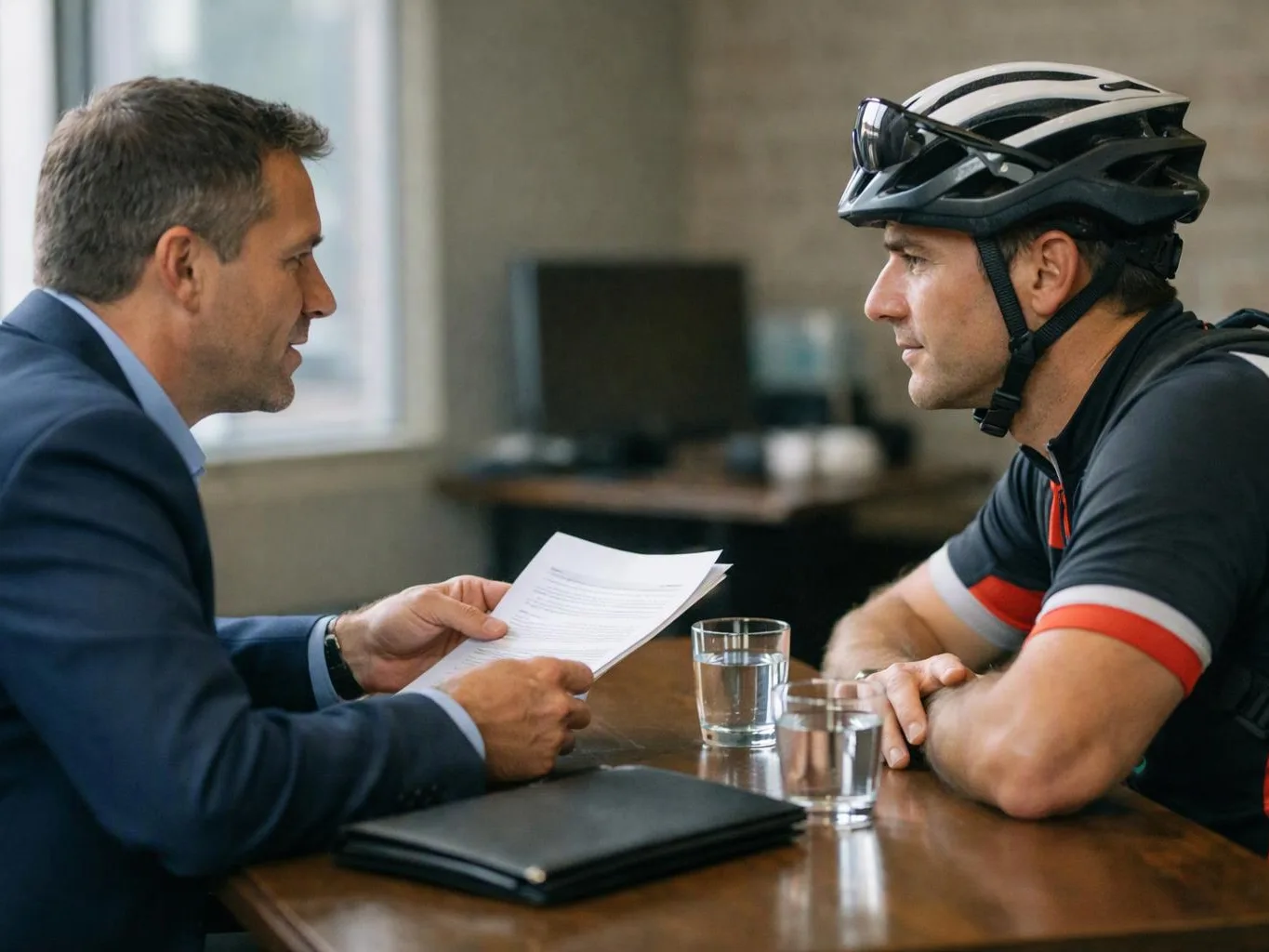
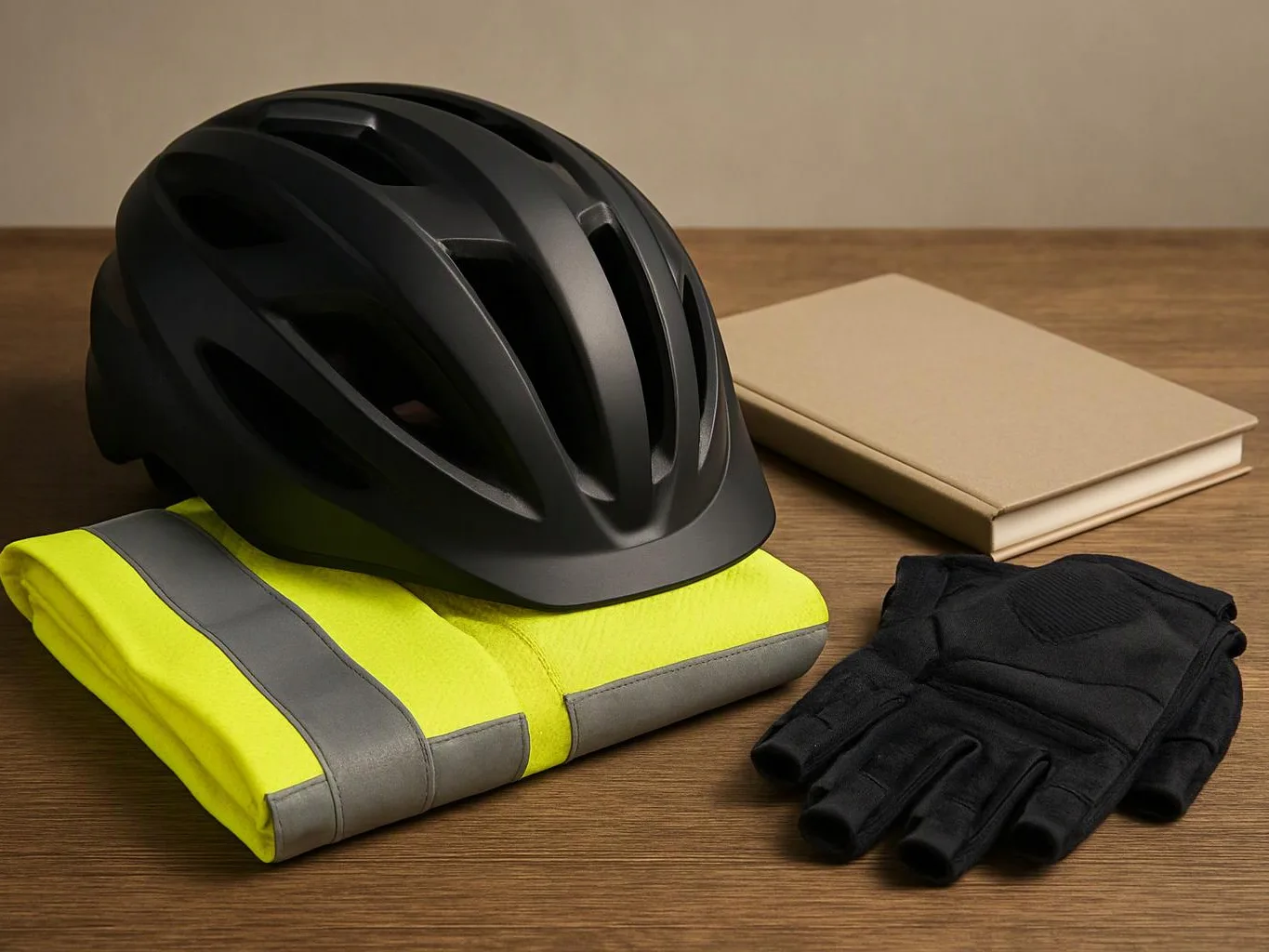
Helmet use can affect the insurer's argument about injury severity and claimed losses. The medical records must show which injuries relate to the crash and how treatment developed. We review helmet information with the physical evidence and medical history. That review does not replace the broader analysis of who caused the collision.
What changes the legal work when traffic footage exists?
Traffic footage can add direct evidence about movement, timing, lane position, and the impact sequence. We preserve and review the available recording with witness accounts and damage patterns. Footage may support one part of the claim but still leaves medical losses and comparative fault for separate review.
Which part of the claim can change the legal cost?
Disputed liability, medical treatment, damages, insurance issues, and litigation needs can change the legal work involved. A consultation helps identify which records require review and what the claim demands. Atlanta Auto Law explains the next steps after learning the crash facts and available evidence.