Can medical payments help when the fleeing driver is unknown?
Medical payments coverage may help with covered accident-related treatment even when the fleeing driver is unknown. Atlanta Auto Law reviews the policy, medical records, bills, and claim notices. This coverage is separate from a liability claim against the fleeing driver. Policy terms control, so the review should include limits, exclusions, notice requirements, and how the insurer handled the claim.
Who is a good fit for this legal service, and who needs a different one?
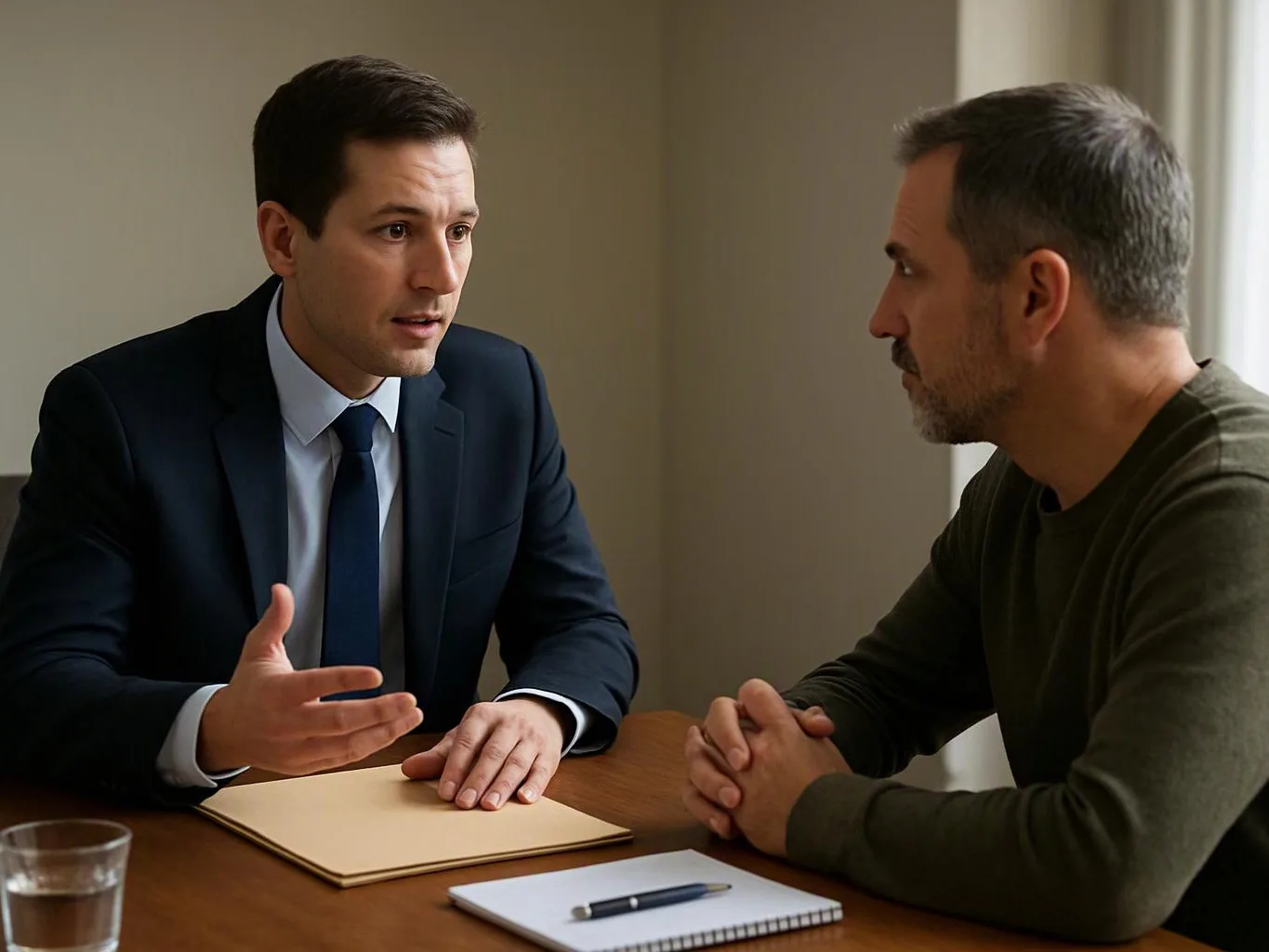
People injured in a motor vehicle crash involving a fleeing or unidentified driver are a good fit for this service. Our team reviews injury records, vehicle damage, insurance coverage, and liability evidence. A person with a premises injury, medical malpractice issue, or unrelated civil dispute needs a different service because the facts and legal questions are different.
What happens at each stage of a hit-and-run claim?
The claim moves from intake and record review to coverage analysis, insurer communication, negotiation, and possible litigation. We first collect the crash facts and available policies. Next, we organize medical and financial records. We then assess the response from the insurer and explain whether settlement talks or a lawsuit fits the case.
What does the legal team look at first after a hit-and-run?
The first review covers the crash report, injury details, available insurance policies, and urgent claim notices. Atlanta Auto Law also checks whether medical care and vehicle damage are documented. Those records help identify possible medical payments, uninsured coverage, collision coverage, and claim deadlines before we discuss a demand or settlement.
Which records should I bring to the first consultation?
Bring the police report, insurance policy information, medical records, medical bills, photographs, and insurer letters if you have them. A wage record can help document lost income. Our team can discuss the claim with the information available, so you don't need to solve the evidence issue before requesting a consultation.
Why can an insurer deny an unknown-driver claim?
An insurer may dispute coverage, notice, causation, policy conditions, or the evidence connecting the crash to the claimed losses. We review the denial letter and the policy language together. The next step may involve additional records, a coverage response, negotiation, or litigation, depending on what the documents show.
How does a policy review affect a hit-and-run claim?
A policy review identifies coverage that could address treatment, injuries, vehicle damage, and related losses. We compare medical payments, uninsured coverage, collision coverage, exclusions, and notice terms. The review also helps separate vehicle damage from bodily injury issues, which can follow different claim paths.