What evidence helps prove a drunk driving accident case?
Field sobriety results can support an impaired-driving claim when they match the crash facts and other records. We review breath test records, traffic footage, toxicology results, police reports, witness accounts, and accident reconstruction evidence. Medical records and wage records then show the harm caused by the collision. Atlanta Auto Law reviews these materials during the initial case assessment.
How does the claim move from the first call to the last step?
The claim moves from an initial consultation to evidence review, injury documentation, insurer negotiation, and resolution. We gather police and medical records, assess liability, and prepare the claim. If negotiation does not resolve the dispute, the matter may move through discovery, mediation, or trial. Each step follows the facts and the records available.
Which record changes how long the evidence review takes?
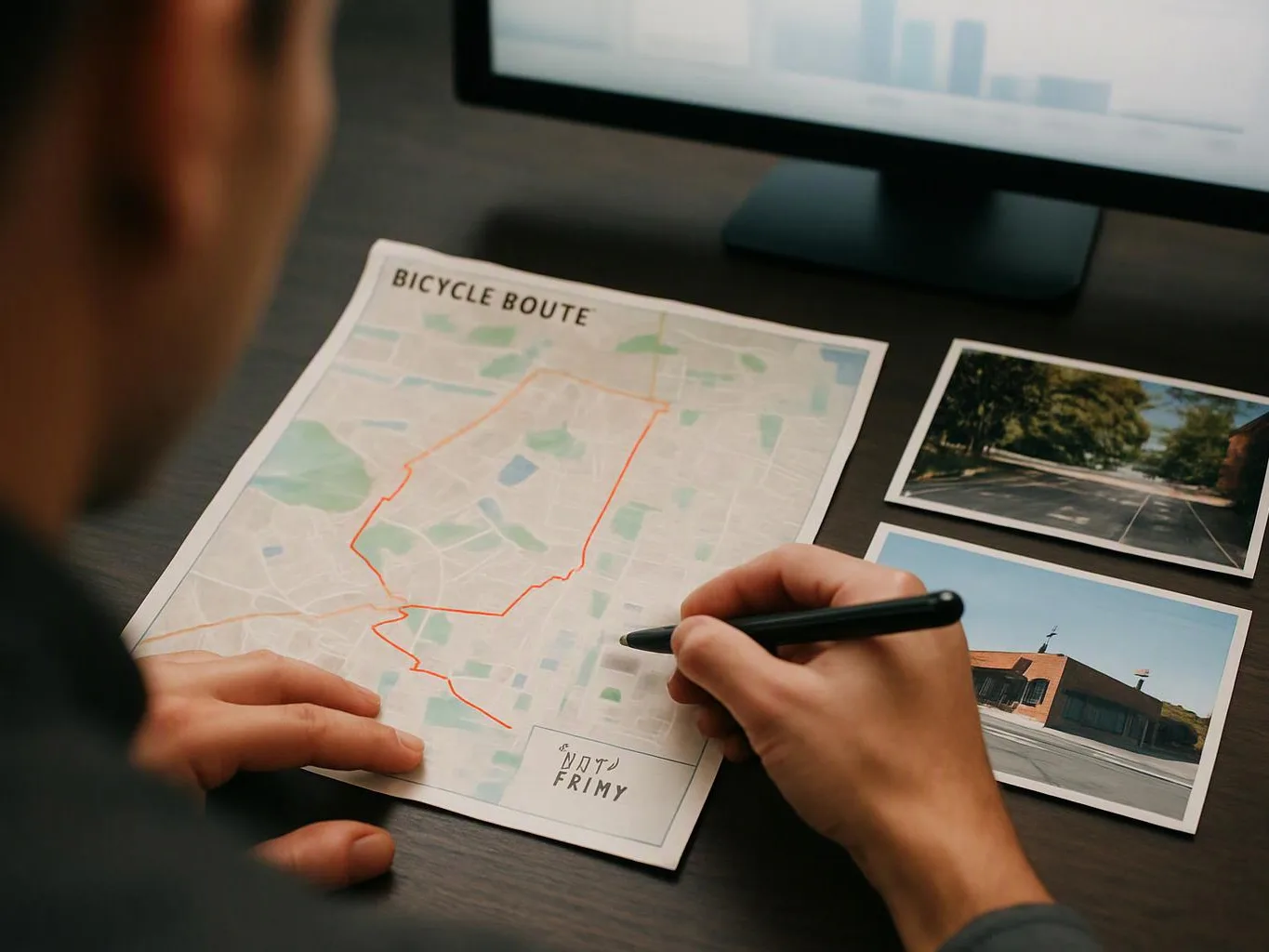
Traffic footage often affects the review because its availability can change after a crash. We also need time to obtain police records, medical records, breath test materials, and toxicology results. The number of disputed facts and the need for accident reconstruction can add work. We explain the next records to request after reviewing the initial information.
How can I tell whether this service fits my injury case?
A personal injury claim fits when another driver's conduct caused a collision and you suffered documented harm. Relevant harm can include medical treatment, lost income, property damage, or pain and suffering. DUI defense is a different service because it represents the accused driver. We assess fit during a free consultation after hearing the crash facts.
What should I bring to the first consultation?
Police records, medical records, insurance letters, photographs, wage information, and witness details help start the review. Bring what you have, even if the file is incomplete. We identify missing records and explain how they relate to liability and damages. Do not alter photographs or delete messages about the crash.
What does a personal injury attorney handle beyond insurer talks?
A personal injury attorney also investigates liability, gathers records, documents losses, prepares demand materials, and files suit when appropriate. We address medical expenses, property damage, lost wages, and pain and suffering within the claim. Discovery and mediation may follow when the insurer disputes fault or damages.
When should I preserve crash evidence?
Crash evidence should be preserved as soon as possible after the collision. Save photographs, messages, medical records, insurer letters, and information about witnesses. Traffic footage and other records may not remain available indefinitely. We can review what you have and identify evidence that needs to be requested.